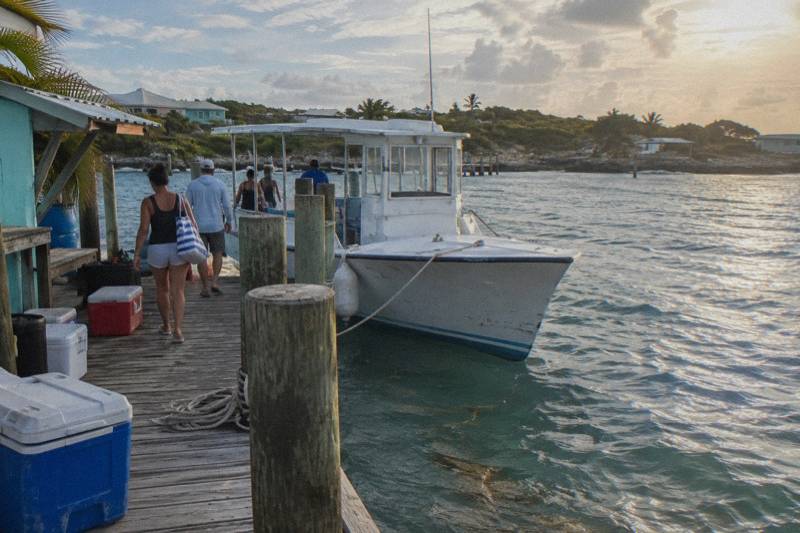
What Is Exuma Known For?
Exuma is known for its swimming pigs, nurse sharks, Thunderball Grotto and impossibly clear water. Here is what the district is famous for and how to see it.
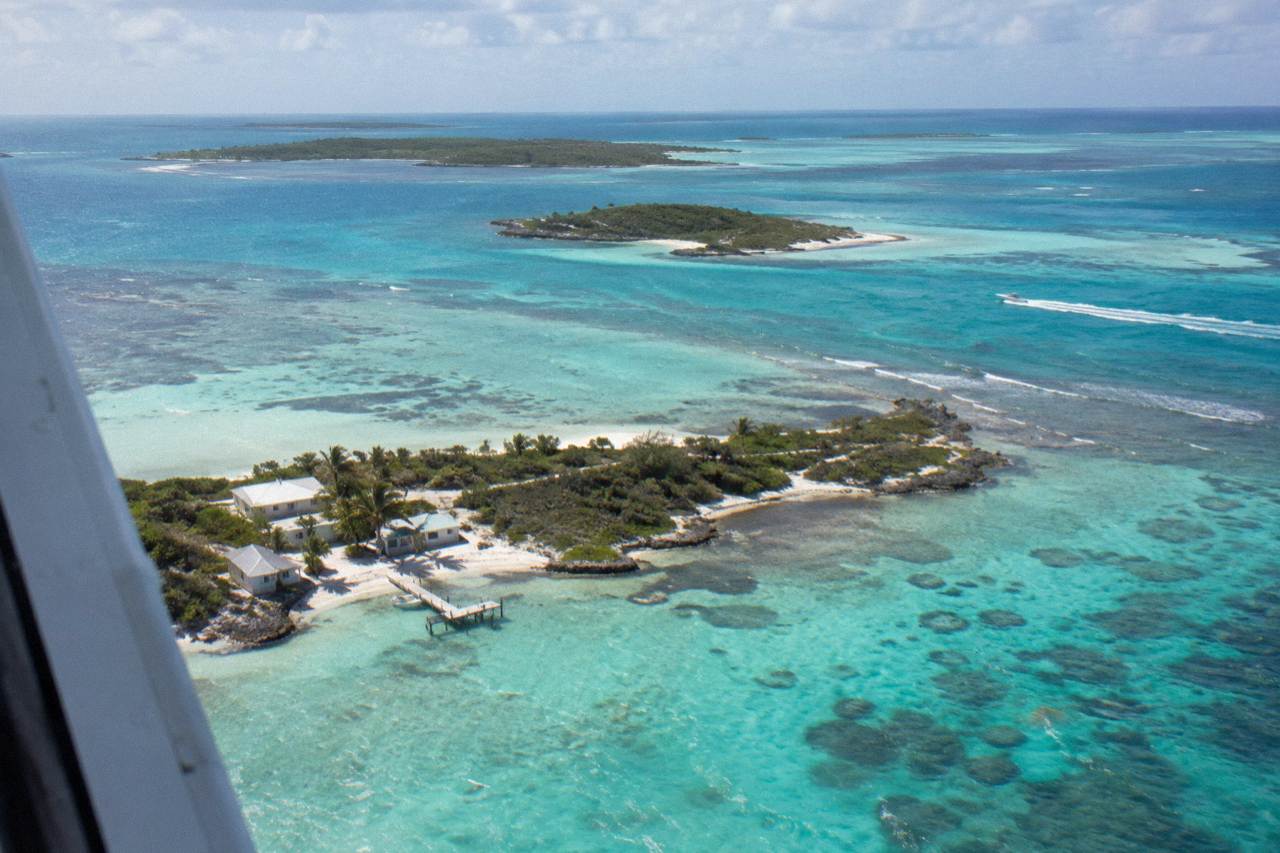
Exuma is known for four things above all else: the swimming pigs of Big Major Cay, the tame nurse sharks of Compass Cay, the flooded sea cave at Thunderball Grotto, and the absurdly clear turquoise water of its cays and sandbars. A full-day tour from Nassau typically runs from $328.90 to $499 per person and covers pigs, sharks and grotto in one sweep. If you're wondering how this three-stop Exuma route stacks up against other options, our guide to the best excursion in the Bahamas explains why the pigs, nurse sharks and grotto loop keeps topping the list.
That is the short answer, and it is accurate, but it undersells why this particular stretch of the Bahamas became one of the most photographed places on earth. Exuma is not one island. It is a district, a chain of hundreds of islands and cays in the central Bahamas, running from Great Exuma in the south, past a string of tiny cays, up to the Exuma Cays Land and Sea Park in the north. Most of the famous sights sit in that northern half, clustered around Staniel Cay, which is a long way from the district's own airport at George Town. This geography shapes everything about visiting.
The pigs are the headline. A colony of about 20 pigs and piglets lives wild on Big Major Cay, an uninhabited scrap of land reachable only by boat, and the official Bahamas Ministry of Tourism page for the experience describes them exactly that way: origin unknown, uninhabited cay, boat access only. That official page, the official home of the swimming pigs, is worth a read before you go, because the animals are wilder and the rules around them more practical than the Instagram version suggests.
Around the pigs, within a short boat ride, sit the other attractions: nurse sharks circling the dock at Compass Cay, iguanas lining the beach at Allen's Cay and Leaf Cay, a sandbar that appears and disappears with the tide, and a cave that James Bond made famous on film. Most tours hit several of these in a single day, which is why the full-day boat trip is the dominant product here and why nearly every visit to Exuma is built around one.
Why Are The Swimming Pigs Such A Big Deal?
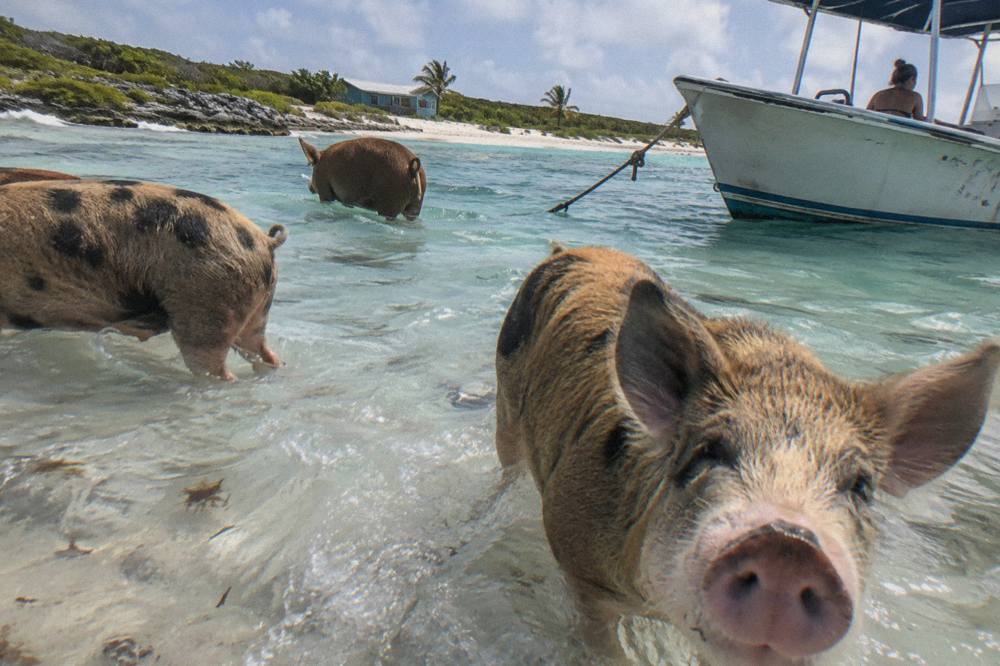
The swimming pigs of Big Major Cay are the single biggest reason Exuma became globally famous, turning an obscure uninhabited cay into one of the most recognizable animal encounters in travel. About 20 pigs and piglets live there, swimming out to approaching boats because they have learned crews bring food. No one officially knows how they arrived, and the cost of seeing them is entirely the boat ride.
The pigs became an internet phenomenon, and the tourism machine followed. What the pictures do not show is the discipline the experience now demands. The pigs are wild animals with a history of harm: deaths in 2017 were linked to sand ingestion, and the guidelines that followed, reported by operators and local sources in 2026, are strict about food and behaviour. You feed them only what the captain provides, in the water or by hand, never on the sand. You do not chase them, corner them or pick up piglets. You take every scrap of waste back to the boat.
A few practical points from the operator guidance worth knowing:
- The stop at Pig Beach is typically short, often 20 to 60 minutes depending on the operator and how busy the beach is.
- Big Major Cay sits roughly 10 to 15 minutes by boat from Staniel Cay, so tours that fly to Staniel first get a calmer, earlier window with the animals than the big speedboat runs out of Nassau.
- Half-day tours from Great Exuma sometimes visit closer pig cays such as White Bay Cay instead of the original colony at Big Major Cay, so check the itinerary if the original beach matters to you.
No official government regulation on feeding the pigs or licensing landings was found on the official tourism, park or immigration pages; the rules that exist in practice are the ones crews set and enforce on the beach. Treat the captain's briefing as the law of the cay, because for the animals' sake it effectively is.
The most reviewed way to do the pigs from Nassau is the island hopping pigs tour with lunch, rated 4.8 across 689 reviews, from $438.90 per person for roughly 8 hours. It is the version of the day most first-time visitors picture: boat out, pigs, a second stop or two, lunch on the water. For a longer read on the choice, the guide to swimming pigs tours breaks down every format, and how much swimming with pigs costs covers the price ladder in detail.
What Makes Exuma's Water Look Like That?
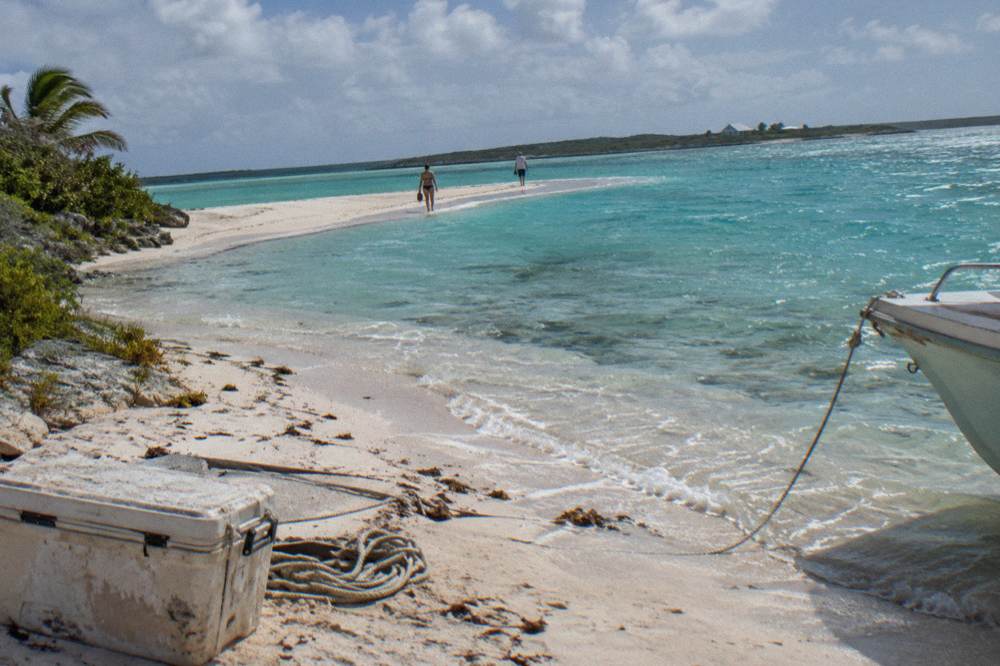
Exuma's water looks unreal because the district sits on a shallow carbonate bank: miles of water only a few feet deep over white sand, so sunlight reflects off the bottom and glows turquoise, graduating to deep blue where the bank drops away. The sandbars and tidal flats shift hour by hour, and the clarity is at its best December through May, outside the hurricane season.
The bank is the whole story. Elsewhere in the Caribbean you get blue water and reefs; in Exuma you get an entire sea that appears lit from within, because the white limestone floor is close enough to the surface to act as a mirror. Sandbars amplify the effect: at low tide, ribbons of bare sand surface in the middle of open water, and standing on one is the closest thing to walking on the sea most people will ever do. Operators run dedicated sandbar stops from both Great Exuma and the northern cays, and the tide, not a schedule, decides what you see.
Practical realities come with the beauty. The same shallows that glow can kick up chop in wind, and hurricane season, which runs 1 June to 30 November with peak activity August to October, brings rougher days and occasional cancellations. Boat tours get rescheduled when the sea state turns, so build a spare day into an Exuma trip if the boat day is the point of the trip. In late October the sea around Exuma was still reading about 29 degrees Celsius, bathtub warm by any standard. Operators consistently recommend reef-safe sunscreen, a hat, a waterproof phone pouch and water shoes for a day on the water.
Here is how the seasons compare for a visit:
| Period | Conditions | What to expect |
|---|---|---|
| December to May | Calmer seas, best clarity, high season | The classic postcard water; most crowded at the famous stops |
| June to July | Hot, warming sea, quieter cays | Hurricane season begins 1 June; trips usually run normally |
| August to October | Peak hurricane months | Rougher days possible, tours may reschedule; sea still around 29 degrees Celsius |
The water is not just scenery, either. It is the medium for everything else Exuma is known for: the pigs swim in it, the nurse sharks glide through it, and the grotto floods and drains with its tide. Our broader Exuma boat tours comparison goes deeper on which routes get you into the clearest of it.
What Is Thunderball Grotto And Why Is It Famous?
Thunderball Grotto is a flooded sea cave near Staniel Cay, hollow except for holes in its roof that drop shafts of light onto the water inside, and it became world famous as a James Bond filming location, giving the cave its name. Snorkeling inside is free, requires no permit, and is safest within an hour or two of low tide, when the entrances are most exposed and the interior is calm.
The cave sits below the tide line, so you enter by swimming through short underwater or semi-submerged passages. Inside, the dome is lit from above through natural skylights, and the water is full of tropical fish that gather where tour crews have fed them for years. It is, for many visitors, the single most beautiful stop of an Exuma day, and unlike the pigs it costs nothing on its own; the money goes to the boat that brings you.
Two facts worth holding onto. First, the grotto lies outside the Exuma Cays Land and Sea Park's southern boundary according to operator sources, so the park's landing fees do not apply there; the park fee structure is explained on the official Bahamas National Trust payment page. Second, the tide dictates everything: at high tide the entrances sit deeper and currents through them strengthen, so crews time the stop to low or slack water when they can. Some operators report the grotto and Pig Beach lie just outside the park's limit, which is why a day tour can stop at both without park permits, though the park itself remains worth understanding since many routes pass through it.
The full story of the cave, the film history and the snorkeling tactics is in the Thunderball Grotto snorkeling guide, including the film-by-film rundown for Bond fans.
What Are The Nurse Sharks And Iguanas About?
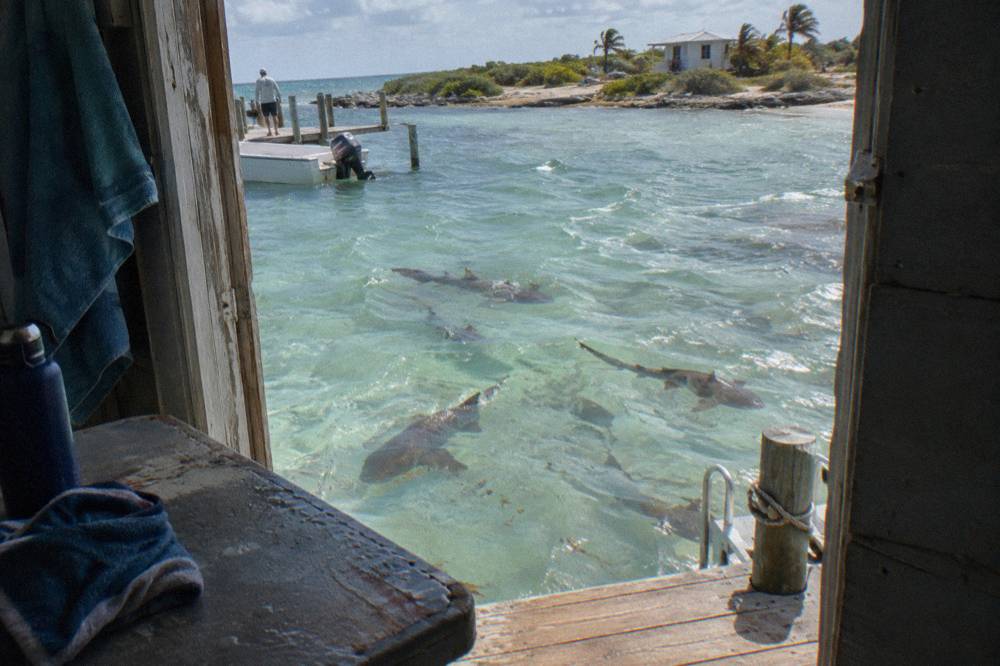
Compass Cay, a short boat ride from the pigs and the grotto, is home to a marina where wild nurse sharks gather around the docks and swim among visitors in waist-deep water, with a published landing fee of about $15 per person. On other cays nearby, protected Bahamian rock iguanas line the beaches at Allen's Cay and Leaf Cay and are fed grapes on sticks under operator supervision.
The nurse sharks are the strange miracle of Exuma. They are wild animals, not a captive exhibit, but generations of them have learned that the Compass Cay dock means fish scraps, so they loiter in the shallows year-round. Visitors receive a safety briefing from crews: no stepping on the sharks, no grabbing or chasing, no sudden movements. Nurse sharks are a docile, bottom-feeding species, and standing still in the water while one brushes past your legs is an experience that converts skeptics on the spot.
The iguanas are the quieter half of the wildlife triple bill. The Bahamian rock iguana is a protected species, named alongside the West Indian flamingo on the country's official ecotourism page, and the Exuma Cays hold one of its last strongholds. Operators feed them grapes offered on the end of a stick, which keeps hands away from teeth and the food controlled. The rules are the same spirit as the pigs: the animals set the terms, and the crew translates.
Nearly every full-day tour from Nassau stacks all three animal stops into one itinerary, which is why the format dominates. The trips show the pattern clearly:
| Tour | Length | Rating and reviews | From (per person) |
|---|---|---|---|
| Exuma Island Hopping Swimming Pigs Tour with Lunch from Nassau | ~8 hours | 4.8 across 689 reviews | $438.90 |
| Exuma Powerboat Tour from Nassau with Swimming Pigs | ~8 hours | 4.8 across 536 reviews | $439 |
| Exuma Day Away, Original Swimming Pigs Excursion | ~8 hours 30 minutes | 4.5 across 474 reviews | $378 |
| Exuma Full Day Swimming Pigs Group Boat Tour | ~8 hours | 4.7 across 175 reviews | $499 |
| Exuma Island and Cays Tour | departs Barraterre Dock, Great Exuma | ~7 hours 30 minutes | 4.9 across 111 reviews |
What Is The Exuma Cays Land And Sea Park?
The Exuma Cays Land and Sea Park, established in 1958, was the first marine reserve in the Bahamas and the wider Caribbean, protecting 112,640 acres of cays, reefs and tidal creeks. It is a strict no-take zone: no fishing, no shelling, no conching, nothing living or dead may be removed. Charter boats pay day-tour landing fees, from BSD 6.36 to BSD 12.73 per person, which operators normally absorb into the tour price.
The park matters to visitors for two reasons. First, it is the reason the northern Exumas still look the way they do: the reefs inside its boundary were never fished out, and the water quality is a direct product of decades of protection. Second, it shapes how tours operate. The Bahamian dollar is pegged one to one with the US dollar, fees carry 10 percent VAT at checkout, the park takes no reservations, and motorized vessels follow strict rules inside, including idle speed in mooring fields and a bar on entering most of Shroud Cay's tidal creeks.
For a full breakdown of the fee structure, the zones and what a tour through the park actually looks like, read the Exuma Cays Land and Sea Park tour guide.
How Do You Actually See All Of This?
Most visitors see Exuma's famous sights on a single full-day boat tour from Nassau, roughly 8 hours door to door, from $328.90 to $499 per person for group trips; by flying to Staniel Cay or George Town for shorter, calmer local tours; or by private charter from $6,000 per group. The long speedboat runs out of Nassau involve 2 to 3 hours each way across open water, which is the trade-off for not needing a flight.
The choice comes down to where you sleep. Nassau-based visitors have the widest selection of day trips, but the trade is a genuinely long, fast, sometimes bumpy ride each way, and some listings note the full-day timing and early check-in make these trips unsuitable for some cruise ship passengers. Great Exuma-based visitors start closer, with half-day and full-day tours out of George Town that reach sandbars, snorkeling sites and sometimes a pig cay in far less time. Fly-in options split the difference: a flight from Nassau to Staniel Cay takes under an hour, and Titan Air has been listing daily flights at $125 one way, so a Staniel-based tour day can mean more time at the animals and less time crossing.
The premium end is real, too. The Exuma Elite Escape, a 7-stop luxury version of the day rated 4.8 across 580 reviews, runs from $850 per person in about 6 hours, and private charters that let you set the itinerary start from $6,000 per group. What they buy is time and quiet: earlier arrivals at Pig Beach before the speedboat fleet, longer stops, and a schedule the tide decides rather than the clock.
For help matching format to budget, the guide to choosing the best Exuma tour walks the decision, and Exuma Tours lays out the full range of day trips side by side. If you are weighing the district against the capital first, the Exuma versus Nassau comparison settles most of that debate.
Common Questions About What Exuma Is Known For
What Is Exuma Known For?
Exuma is known for the swimming pigs of Big Major Cay, the nurse sharks of Compass Cay, Thunderball Grotto, its rock iguanas, and water of extraordinary clarity over shallow white sand banks. It is also home to the Exuma Cays Land and Sea Park, the first marine reserve in the wider Caribbean, and to shifting sandbars that surface at low tide in the middle of open sea.
What Is Exuma Best Known For?
Exuma is best known for its swimming pigs. The colony of roughly 20 pigs and piglets on Big Major Cay is the single image most people associate with the district, and it is the reason the majority of tours exist. Nurse sharks, Thunderball Grotto and the turquoise water run it a close joint second.
Where Are The Swimming Pigs Located?
The famous swimming pigs live on Big Major Cay, known as Pig Beach, an uninhabited cay in the northern Exumas about 10 to 15 minutes by boat from Staniel Cay. The cay has no entrance fee and no facilities; access is by boat tour, and the stop typically lasts 20 to 60 minutes.
Can You Visit Exuma On A Day Trip From Nassau?
Yes. Full-day boat tours from Nassau run about 8 hours, cost from roughly $328.90 to $499 per person in group format, and cover pigs, sharks, iguanas and the grotto. The crossing is 2 to 3 hours each way by speedboat, or you can fly to Staniel Cay in under an hour and tour from there.
Is Thunderball Grotto Free To Visit?
Thunderball Grotto itself has no admission fee and requires no permit for snorkeling. The cost is the boat that brings you. Snorkeling is safest within an hour or two of low tide, when the entrances are most exposed and the current inside is weakest.
When Is The Best Time To Visit Exuma?
December through May brings the calmest seas, the clearest water and the biggest crowds. Hurricane season runs 1 June to 30 November, peaking August to October, when rough days can reschedule boat tours. Sea temperatures stay warm year round, around 29 degrees Celsius even in late October.