Exuma Cays Land And Sea Park: Visiting On A Tour
The Exuma Cays Land and Sea Park is the oldest marine reserve in the Bahamas and the wider Caribbean, a 112,640-acre no-take zone that most Exuma day tours pass at speed without ever entering. Here is what the park actually is, what the rules allow, and which tours genuinely stop inside it.
Short answer
The Exuma Cays Land and Sea Park spans 112,640 acres and is a strict no-take zone, established in 1958. Day visitors on tours pay no separate entrance fee; landing fees of BSD 6.36 to 12.73 per person normally sit inside the tour price. Charter and private trips can reach it from Nassau or Great Exuma in a long full day.
The Exuma Cays Land and Sea Park was established in 1958, making it the first marine reserve in the Bahamas and the wider Caribbean. It covers 112,640 acres of water, sand and low cay, and everything inside its boundary is protected: nothing living or dead may be taken out. For tour-goers the park is both a highlight and a source of confusion, because the famous stops most people picture, Pig Beach and Thunderball Grotto, actually sit outside it.
This guide separates what the park actually is from the version of Exuma that Instagram suggests. It covers the no-take rules exactly as the Bahamas National Trust states them, the fees that apply and which ones a tour price normally absorbs, and the honest question of which tours from Nassau or Great Exuma actually enter the park versus pass it. For the wider picture of choosing between operators, the Exuma boat tours comparison guide is the companion read.
What Is The Exuma Cays Land And Sea Park?
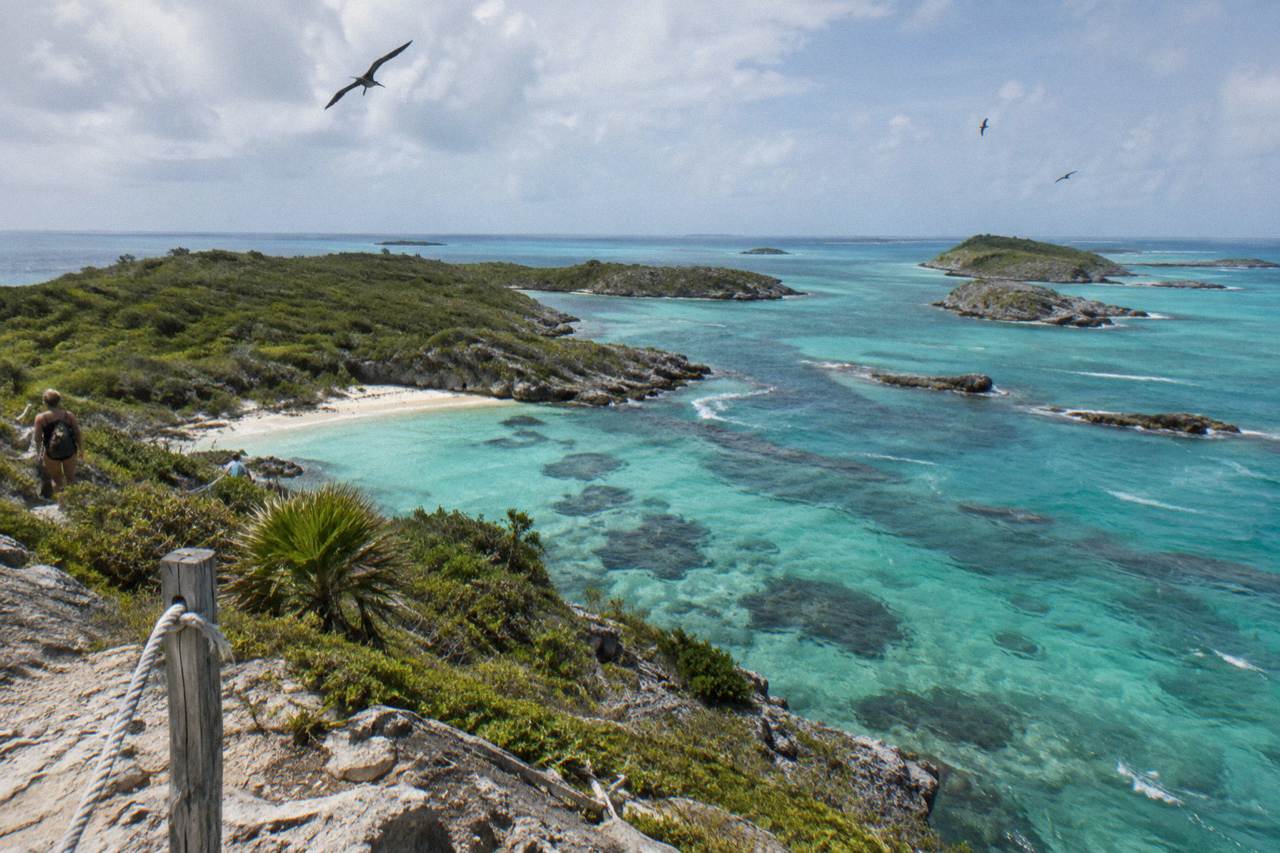
The park is a 112,640-acre protected area of cays and shallow sea in the northern Exuma Cays, created in 1958 as the first land-and-sea reserve of its kind in the Bahamas and the wider Caribbean. It is managed by the Bahamas National Trust and operated as a strict no-take zone, meaning no fishing, shelling, conching or collecting of anything, living or dead. Its headquarters sit at Warderick Wells, roughly the midpoint of the cay chain.
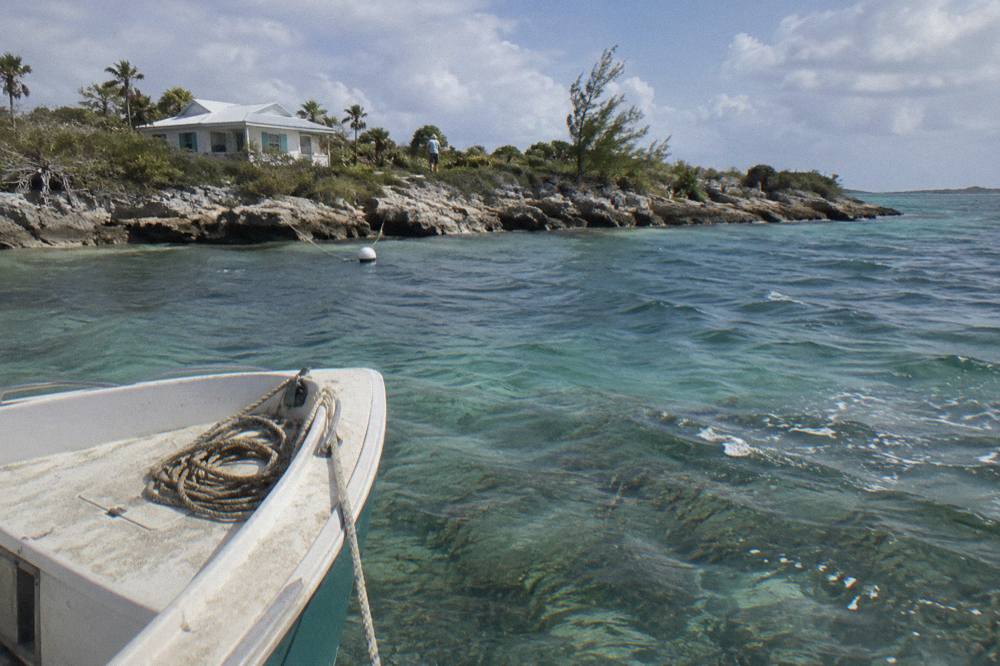
The reserve stretches down the centre of the Exuma Cays, a ribbon of islands and cays where the bank side is milk-turquoise and the ocean side drops away to deep blue. Warderick Wells, the park headquarters island, anchors a horseshoe mooring field that visiting boats describe as one of the most photogenic anchorages in the country. The headquarters office keeps Sunday hours of 9AM to 12PM and 1 to 4PM, and routine contact runs over VHF channel 09, though the park itself has no gates and boats can enter around the clock.
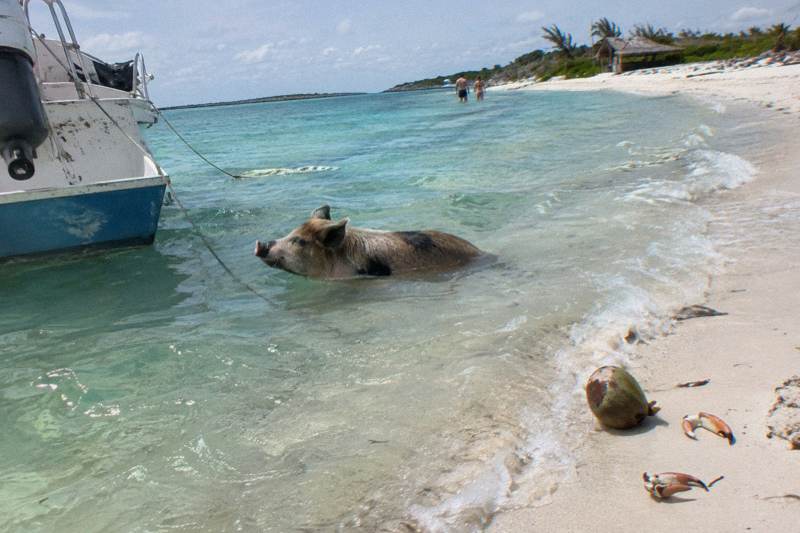
The park's boundary is the detail that trips up most visitors. Its southern boundary sits near Compass Cay, which means the headline Exuma attractions, Big Major Cay where the swimming pigs live, Thunderball Grotto and the Compass Cay nurse shark dock, fall outside the protected zone. Operators report this layout, and the park's own pages confirm the reserve's scope without listing those sites. A tour advertising Pig Beach, sharks and the grotto is a great day out, but it is not automatically a tour of the park.
What the park offers instead is quieter: Shroud Cay's tidal creeks, where motorized vessels may enter only the north creek at idle speed; quiet snorkelling over reef that has been unfished for decades; and the sense of a place managed for its own sake rather than for a photo stop. Visitors who want that slower version of the cays should read the broader things to do in Exuma overview to see how the park fits a longer itinerary.
Can You Visit The Park On A Tour From Nassau Or Exuma?
Yes, but only on tours whose routes push far enough north or south to cross the boundary, usually a full-day speedboat trip from Nassau, a fly-in itinerary, or a charter from Great Exuma. The crossing from Nassau alone takes roughly two to three hours each way across open water, so a genuine park visit is an eight-to-nine-hour day. Most standard pig-beach tours from Nassau touch stops outside the park.
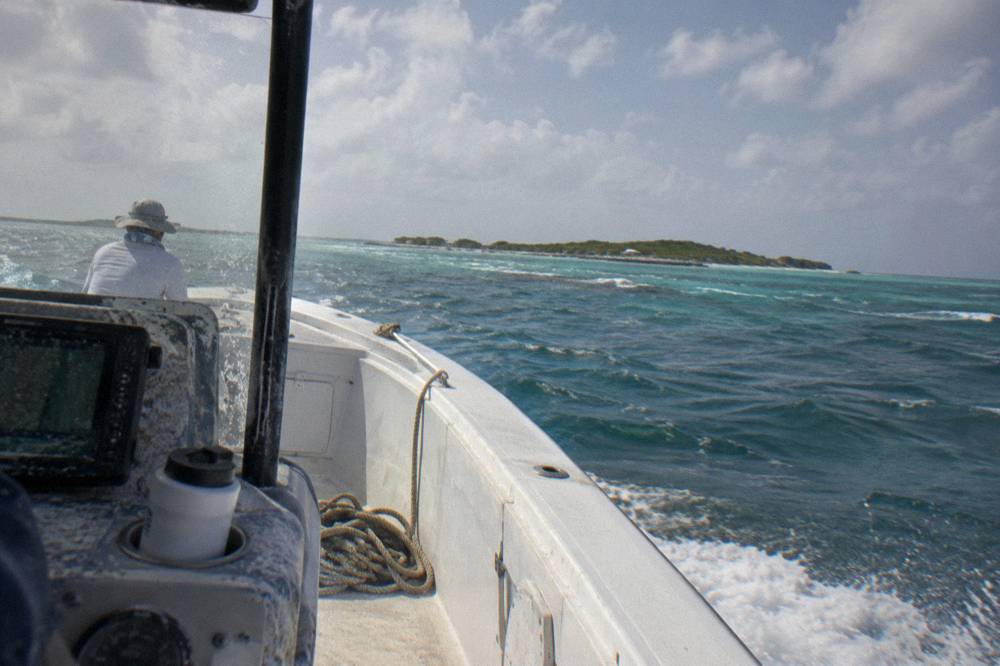
The practical split is departure point. Nassau tours run fast boats up the chain, and the ones that reach the park's middle section around Warderick Wells or Shroud Cay commit the whole day to it. From Great Exuma, the park's southern cays are closer, which is why George Town based operators and private charters feature the reserve more naturally in half and full-day routes. Our Nassau to Exuma day trip guide breaks down the timing trade-offs in detail.
Charter guests get flexibility, group tours get a lower per-person price, and the choice usually comes down to whether the park is the whole point of the day or one stop among several. Either way, check the booking page for whether the route specifically names Warderick Wells or Shroud Cay, because "Exuma Cays" in a tour title does not mean the park itself.
The formats differ enough that a side-by-side view helps before committing:
| Format | Typical price | Duration | Best for |
|---|---|---|---|
| Group cays tour from Great Exuma | from $330 per person | ~7 hours 30 minutes | Budget-conscious visitors who want the cays in one booked day |
| Full-day group speedboat from Nassau | from $499 per person | ~8 hours | Nassau-based visitors who want the maximum route |
| Private multi-stop charter from Nassau | from $8,500 per group | ~8 hours | Families or groups who want to set the route and pace |
| Private boat and fishing charter from Great Exuma | from $1,006.49, per-person quoting that varies by group size, confirm on the booking page | ~4 to 8 hours | Anglers and mixed groups splitting reef time and beach stops |
What Fees Do Visitors Pay Inside The Park?
Day visitors on tours pay no entrance fee to the park itself. What exist instead are landing and vessel fees: a charter day-tour landing fee with a BNT guided tour at Warderick Wells of BSD 12.73 per person, a day-tour landing fee of BSD 6.36 per person at other park locations, and extra mooring and anchorage charges for private boats. Tour operators normally absorb the landing fees in the tour price.

The fee schedule comes from the Bahamas National Trust's payment pages, and all figures carry 10% VAT at checkout, a change in force since 1 January 2022. The Bahamian dollar is pegged one to one with the US dollar, so a BSD 6.36 landing fee is effectively the same in US dollars. For context on the private-boat side, moorings for vessels under 40 feet run about $27.27 per day, anchoring is charged per foot, and charter boats inside the park pay an additional per-passenger daily fee, all via the park's official payment platform.
| Fee | Amount | Who pays it |
|---|---|---|
| Day-tour landing fee, most park locations | BSD 6.36 per person | Day-tour visitors, normally included in the tour price |
| Landing fee at Warderick Wells with BNT guided tour | BSD 12.73 per person | Day-tour visitors on a guided headquarters stop |
| Charter mooring or anchorage surcharge | BSD 14.00 per person per day extra | Charter guests on moored or anchored boats |
| Private vessel mooring, under 40 feet | ~$27.27 per day | Private boaters |
| Kayak and camping permit | $300 permit plus $27.27 per person daily | Independent kayak and camping trips |
All park fees add 10% VAT at checkout. For a booked tour, none of this needs to trouble you. Operators normally fold the day-tour landing fee into the headline price, so the number you pay per person is the number you pay. Confirm on the booking page that landing fees are included, because a small number of listings bill park fees separately on the dock.
The same honesty applies to the fee's edge cases. The park takes no reservations for moorings, pre-payment does not hold a spot, and kayak and camping trips carry their own permit and daily charges. None of those apply to an ordinary day tour, but they explain why a charter captain's planning looks different from a group tour's fixed route.
What Are The No-Take Rules And Why Do They Matter?
The park is a strict no-take zone: no fishing, conching, shelling, lobstering or removal of any natural material, living or dead. Wardens and Royal Bahamas Defence Force officers enforce the rules, and violations carry fines and potential vessel confiscation. Boats must also travel at idle speed in mooring fields and anchorages and may not anchor on coral.
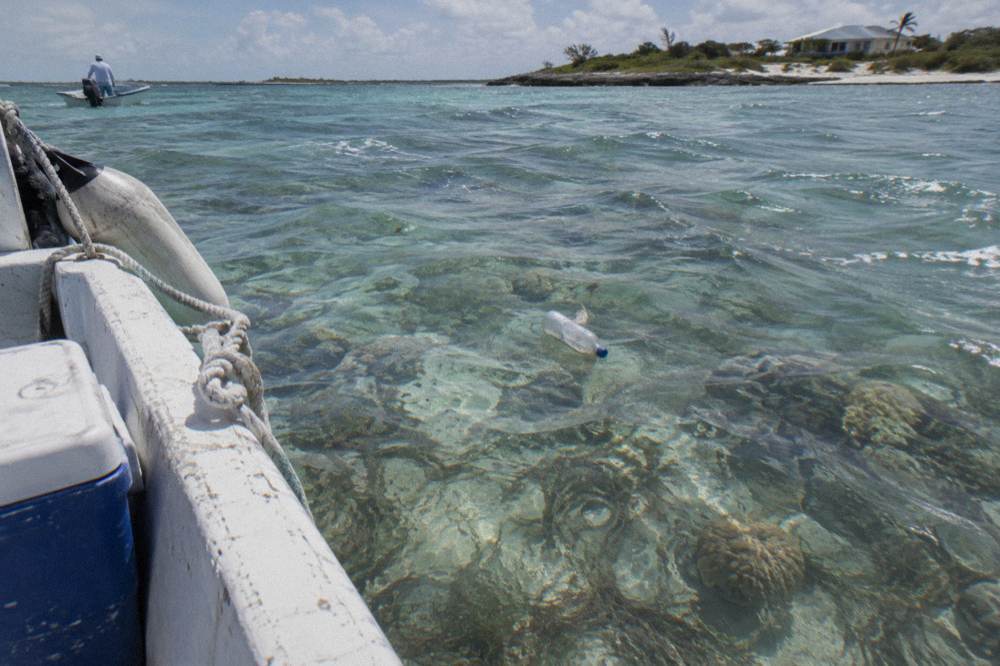
The no-take designation is what makes the park worth the long ride. Six decades without extraction means fish populations, queen conch and lobster inside the boundary behave differently, and snorkellers regularly see marine life at a density the fished waters outside do not match. The official rules also bar motorized vessels from Shroud Cay's tidal creeks except the north creek, at idle speed with no wake, which keeps those mangrove channels quiet for the baby sharks and rays that use them as a nursery. The rest of the planning pages sit on Exuma Tours.
For tour guests the rules are simple to follow. Take nothing, feed nothing, and step only where the crew indicates. The park authorities' guidance is explicit that wildlife is not to be fed, which distinguishes the reserve from stops like the iguana cays outside the boundary where operators hand out grapes on sticks. If your day mixes both, expect different rules at each stop and listen to the captain's briefing at each one.
Anglers should plan around the park entirely. Fishing charters in Exuma work the flats and reefs outside the boundary, and a good captain will tell you exactly where the line falls on the chart. The bonefishing around the park's edges is a draw in its own right; operators in the area list half-day fly or spin trips from around $450 to $550 for one or two guests, with full days from $600 to $750. Those are operator rates, so confirm current pricing directly when booking.
Which Tour Stops Lie Inside The Park Boundary?
Warderick Wells, Shroud Cay and the park's southern cays lie inside the boundary. Pig Beach at Big Major Cay, Thunderball Grotto and Compass Cay sit outside the southern boundary, per operator-sourced mapping rather than any park confirmation. A tour that lists only those three famous stops is not a park tour, whatever its title says.
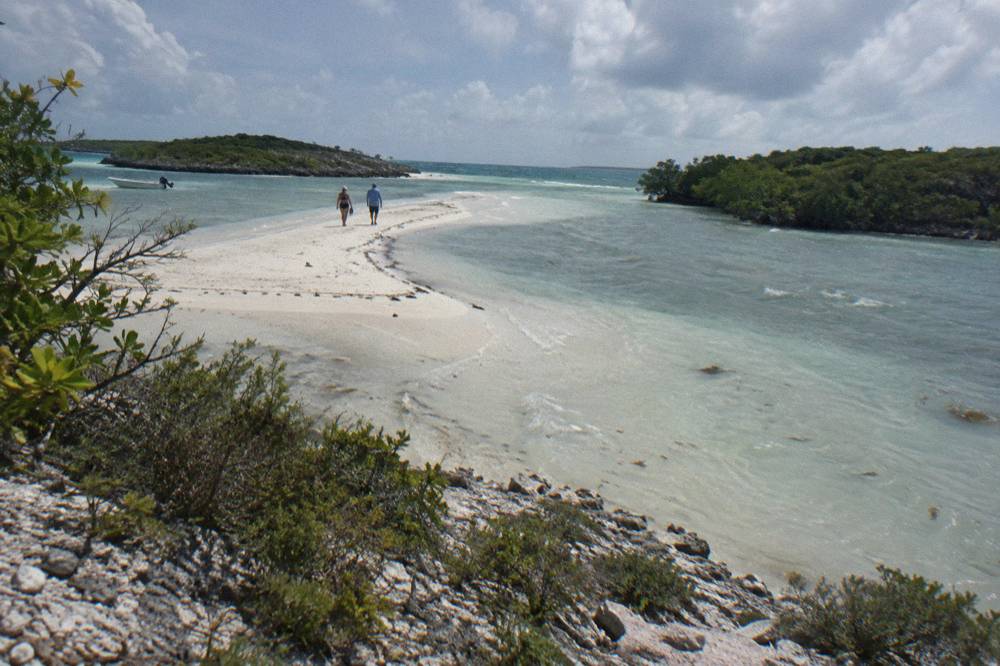
This distinction matters because the marketing language blurs it. Many Nassau day trips are sold as Exuma Cays adventures, and the cays they visit, Allen's Cay for iguanas, Big Major Cay for pigs, Compass Cay for sharks, are real Exuma Cays, just not park property. The park's own materials describe its holdings around Warderick Wells and the cays south of Compass Cay, and secondary sources note the grotto and Pig Beach sit beyond the southern boundary. Treat that mapping as operator-reported, since the park does not publish a stop-by-stop list.
| Stop | Inside the park? | What it is known for |
|---|---|---|
| Warderick Wells | Yes, headquarters | Park office, horseshoe mooring field, hiking trails, guided tours |
| Shroud Cay | Yes | Tidal creeks, sandbar drift, wildlife nursery waters |
| Big Major Cay (Pig Beach) | No, outside southern boundary | The swimming pigs |
| Thunderball Grotto | No, outside southern boundary | Cave snorkelling, best near low tide, no admission fee |
| Compass Cay | Near the southern boundary | Nurse shark encounters at the marina dock, $15 per person day-use fee |
| Allen's Cay / Leaf Cay | No | Rock iguana feeding on grapes from sticks |
If entering the reserve is the goal, look for itineraries naming Warderick Wells, the headquarters anchorage, or Shroud Cay's creeks. The Exuma Island and Cays Tour, rated 4.9 across 111 reviews and priced from $330, covers a seven-and-a-half-hour circuit of the cays, and its route through the central cays is well reviewed, though no listed stop sits inside the park itself; confirm the specific stops on the booking page before assuming a Warderick Wells landing.
Private options give you control over the boundary question altogether. The Private Exuma Cays Day covering iguanas, sharks, pigs, a sandbar and lunch runs from $8,500 per group for roughly eight hours, and a private captain will build the route around the park's moorings and the tide at Thunderball Grotto rather than a fixed circuit. That per-group figure is not a per-person price, so divide nothing.
For guests basing themselves on Great Exuma, the departure advantage is real. The park's southern end sits closer to George Town than to Nassau, so a charter out of Great Exuma reaches park waters with less open-ocean running than a Nassau speedboat. Exuma Tours covers those Great Exuma departures in its private boat charter guide, including the Crystal Bay private boat and fishing operation whose trips run from $1,006.49 with pricing that varies by group size and is quoted per person on its booking page.
What Does A Day In The Park Actually Look Like?
A park day is a long, tide-dependent boat journey punctuated by short stops: a morning crossing of two to three hours, a mooring or anchorage inside the reserve, snorkelling and creek exploring over several hours, lunch aboard or at a cay, and a mid-afternoon turn for home. Most full-day tours run eight to nine hours door to door, and the schedule flexes with weather, tide and crowding.
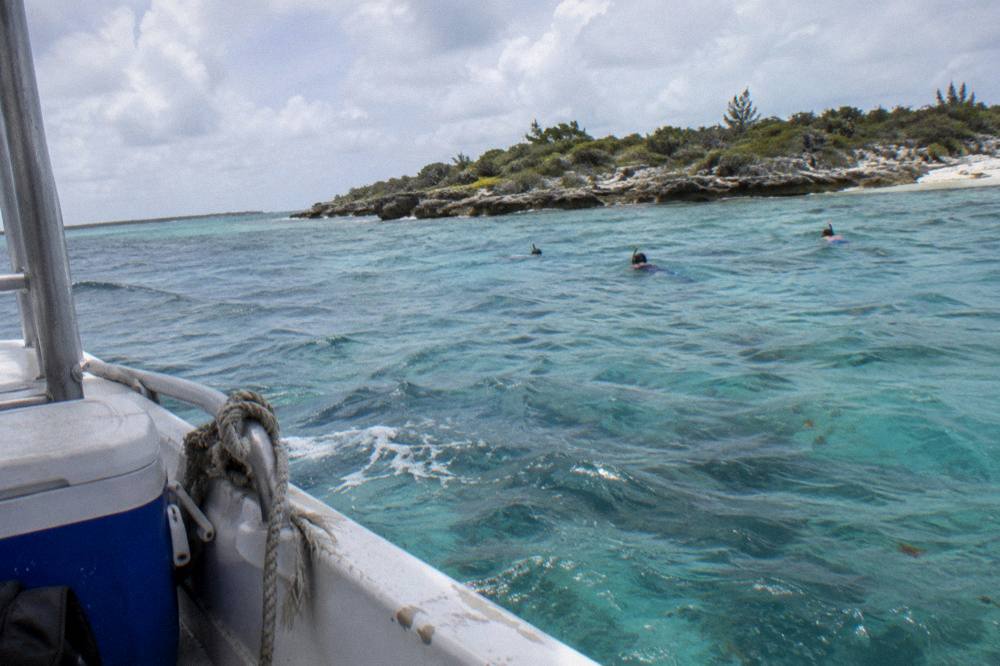
From Nassau, the rhythm is fixed by distance. Check-in lands around 8:45AM at the Paradise Island ferry terminal area, boats depart near 9AM, and the return comes in around 4:30PM. That is the pattern the well-known powerboat operators describe, with the middle hours spent inside the cays hopping between wildlife stops and snorkel sites. A park-inclusive route swaps one or two of the celebrity stops for the quieter reserve, which some guests prefer precisely because the crowds thin out.
The tide governs the snorkelling. Inside the park the reefs are forgiving, but at Thunderball Grotto, outside the boundary, the safest entry window sits within an hour or two of low tide when entrances are exposed and currents ease. Captains plan the whole day around that window, which is why the same tour can visit the same stops in a different order on two consecutive days. No permit is currently needed for grotto snorkelling, and there is no admission fee.
Weather is the other variable. The Atlantic hurricane season runs 1 June to 30 November with peak activity August through October, and rough-sea days mean rescheduled or shortened routes. Late October 2026 has been quiet, with no active tropical systems listed near the Bahamas, and Exuma sea temperatures holding in the high twenties Celsius, conditions operators describe as fine for running the cays. December to May is the calmer, clearer-water window, and it books earliest.
The Nassau speedboat format is the most common way in, and the Exuma Powerboat Tour from Nassau, from $439, is one of the few listings that names a stop inside the park itself, admission included.
When Is The Best Time To Visit The Park?
December through May offers the calmest seas, best water clarity and most predictable schedules, which matters more in the park than anywhere else in Exuma because the crossings are long. Hurricane season, 1 June to 30 November, brings a higher chance of rough-sea cancellations, peaking August to October. Shoulder months can deliver quieter moorings and lower crowds if you accept weather risk.
Crowding inside the reserve is a different animal from crowding at Pig Beach. The park's mooring field at Warderick Wells holds a limited number of boats, no reservations are taken, and in peak winter weeks the field can fill, pushing late arrivals to anchorages. A tour that moors is usually first-come, which favours early departures. At the famous outside-the-park stops, the same dynamic shows up as mid-morning congestion, and fly-in options from Nassau, roughly a 45-minute flight, let some operators hit Pig Beach earlier than the speedboat fleet.
Air access shapes the timing conversation too. Flights from Nassau to George Town on Great Exuma take about 30 minutes and start around $180 round trip, and Titan Air lists Nassau to Staniel Cay runs at $125 one way. Check current status before building an itinerary around it.
Packing barely changes with the season. Operator guidance consistently lists reef-safe sunscreen, a hat, sunglasses, a towel, a waterproof phone pouch and water shoes, and the park's no-take rules mean leave the shelling bag at home. The full kit list lives in what to bring on an Exuma boat tour.
Common Questions About The Exuma Cays Land And Sea Park
Can You Visit The Exuma Cays Land And Sea Park On A Day Tour?
Yes. Full-day speedboat tours from Nassau and boat tours or charters from Great Exuma can reach the park's cays and moorings, though most standard pig-beach itineraries stop outside the boundary. Look for routes naming Warderick Wells or Shroud Cay, and confirm the stops on the booking page.
Is There An Entrance Fee For The Exuma Cays Land And Sea Park?
Day visitors on tours pay no entrance fee. Landing fees apply instead: BSD 6.36 per person at most park locations and BSD 12.73 per person at Warderick Wells with a guided tour, plus 10% VAT. Tour operators normally include these fees in the tour price.
Are Pig Beach And Thunderball Grotto Inside The Park?
No. Both lie outside the park's southern boundary, which sits near Compass Cay, according to operator-sourced mapping. The park's protected waters centre on Warderick Wells and the cays to its south.
Can You Fish Inside The Exuma Cays Land And Sea Park?
No. The park is a strict no-take zone: no fishing, conching, shelling, lobstering or removal of anything living or dead. Enforcement falls to park wardens and Royal Bahamas Defence Force officers, with fines and possible vessel confiscation for violations.
How Long Does It Take To Reach The Park From Nassau?
By speedboat, roughly two to three hours each way across open water, making the full day eight to nine hours. By air, Nassau to George Town on Great Exuma is about 30 minutes, and Staniel Cay flights run around 45 minutes, from there a short boat ride reaches the cays.
When Is The Best Time Of Year To Visit?
December through May brings the calmest seas and clearest water. Hurricane season runs 1 June to 30 November with peak disruption August to October, when tours may be rescheduled or cancelled in rough conditions.