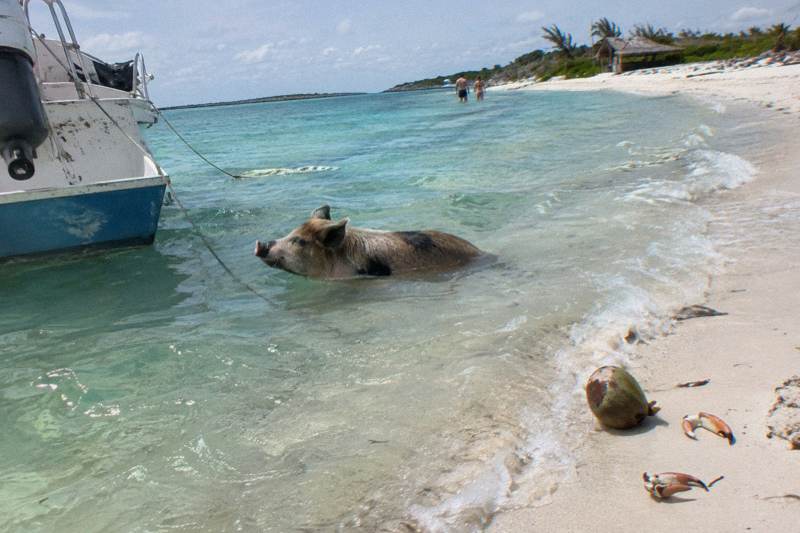
What To Bring On An Exuma Boat Tour
A full day on an Exuma boat tour runs about eight hours, mostly in open sun, with barefoot landings on sand, rock and coral rubble. What you carry decides whether the day is comfortable or a struggle. Here is what matters, and what to leave at the hotel.
Short answer
Pack reef-safe sunscreen, a hat, sunglasses, a towel, a waterproof phone pouch and water shoes, which is the item list local Exuma operators themselves recommend. Bring cash for landing fees such as the $15 per person Compass Cay day-use charge, motion sickness tablets for a ride of roughly two hours each way from Nassau, and dry bags for electronics. Most full-day tours cost from $378 to $439 per person.
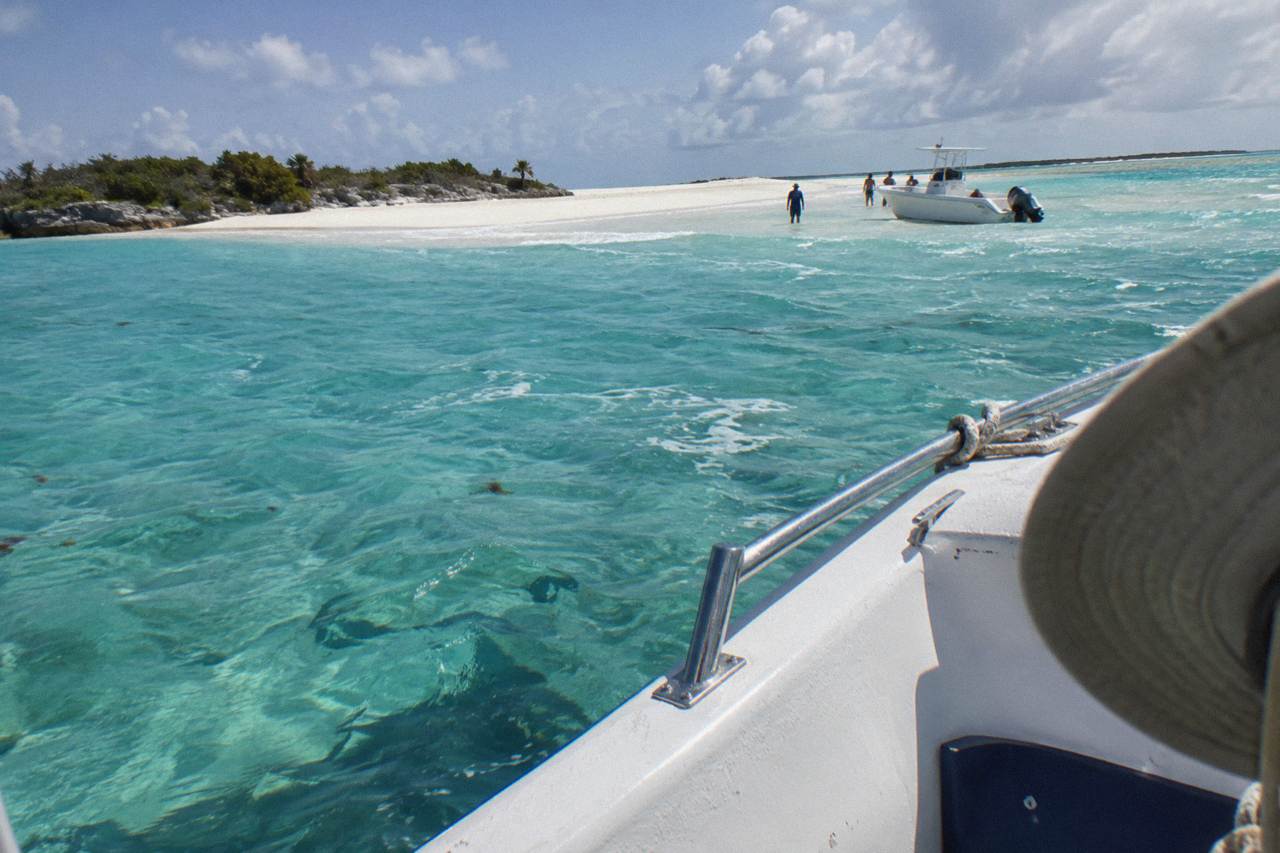
A day trip to Pig Beach from Nassau is not a gentle harbor cruise. The run to the northern Exuma Cays takes roughly two hours each way across open water, and the stops after that are barefoot country: coral rubble at the iguana cays, a dock at Compass Cay, a sandbar that disappears with the tide, and a cave at Thunderball Grotto where you swim in through a gap in the rock. Nearly every day tour on this route runs about eight hours door to door, in tropical sun the whole time. Local operators put it plainly on their own advice pages: reef-safe sunscreen, a hat, sunglasses, a towel, a waterproof phone pouch and water shoes. That list is the backbone of this guide, and the details around it, fees, footwear, camera protection and seasickness, are what separate a good day from a miserable one.
The other reality worth knowing before you pack: several stops carry small landing or day-use fees, cash questions come up constantly, and the sea in late October was still bath-warm at about 29 degrees Celsius. Water temperature is not the variable. Sun, spray and footing are.
What Should You Pack For An Exuma Boat Tour?
Pack a small dry bag with reef-safe sunscreen, a wide-brim hat, polarized sunglasses, a towel, a waterproof phone pouch, water shoes, motion sickness tablets, a light long-sleeve layer, cash for landing fees and any personal medication in its original packaging. That is the complete core list, and almost nothing on it can be bought at the departure dock in Nassau, so it has to come with you from your hotel.
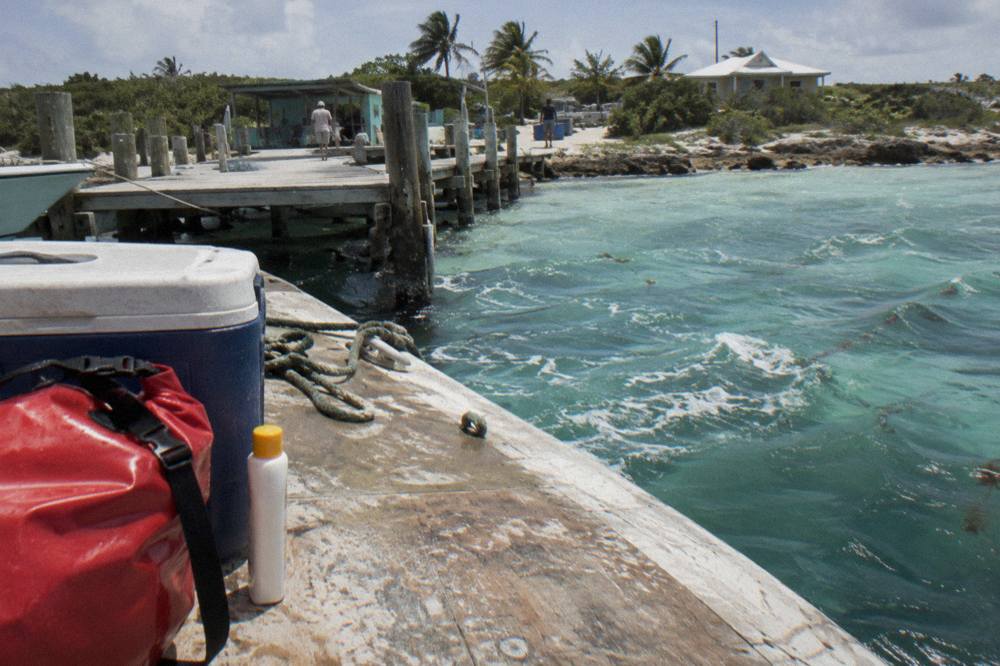
The single most useful framing is this: you are packing for three different environments in one day. The boat is windy and sunny with salt spray. The stops involve standing in shallow water, walking on sand and stepping on coral rock. And the return leg, after six or seven hours of sun, is when people regret the layers and the water they did not drink.
Keep the bag small. Storage on fast powerboats is limited, most operators ask for soft bags rather than hard cases, and anything not in a dry compartment will get wet from spray on the crossing. If your hotel has a safe, leave the passport there and carry a photo of it; Bahamas entry rules require a passport valid at least six months at entry, but you do not need the document itself on a domestic day tour, and the departure tax of $29 per person aged six and over is typically already collected in your airfare, per the official entry guidance on Bahamas entry requirements.
| Item | Why It Matters On This Trip | Notes |
|---|---|---|
| Reef-safe sunscreen | Full-day sun, reflections off water double exposure | Operators recommend it; some boats supply it, check the listing |
| Wide-brim hat with a strap | Wind on the crossing blows caps overboard | A chin strap saves it |
| Polarized sunglasses | Cuts glare for both comfort and seeing rays and turtles | Strap or croakies help |
| Towel | You will be in and out of the water all day | Quick-dry packs smallest |
| Waterproof phone pouch | Sandbar photos, grotto swim, spray | Test it in a sink first |
| Water shoes | Coral rubble, iguana cay trails, hot docks | The item most often regretted missing |
| Motion sickness tablets | Roughly two hours each way on open water | Take before boarding |
| Cash in small bills | Landing fees and tips | Compass Cay charges $15 per person |
| Light long-sleeve layer | Sun fatigue after hour six | Also wind on the return leg |
| Medication in original packaging | Customs and emergency clarity | Carry-on, not checked |
How Do You Protect Against Sun On The Water All Day?
Sun exposure on a boat is roughly double what you feel on land, because ultraviolet radiation reflects off the water surface and there is almost no shade on a fast open powerboat. Plan sunscreen reapplication every two hours, a hat and sunglasses from the first minute, and a light long-sleeve shirt for the afternoon, since a full-day tour spends around eight hours mostly in direct tropical sun.
Operators running the northern cays route leave Nassau around 9 AM and return near 4:30 PM, which means you are out through the peak hours of the day. Reef-safe sunscreen matters here specifically: several stops are snorkeling sites, and operators ask guests to use formulations that do not damage coral. The Bahamas ecotourism guidance names the rock iguana and the West Indian flamingo as protected species on the same logic, that visitor behavior on these cays directly shapes the habitat, per the official Bahamas ecotourism page.
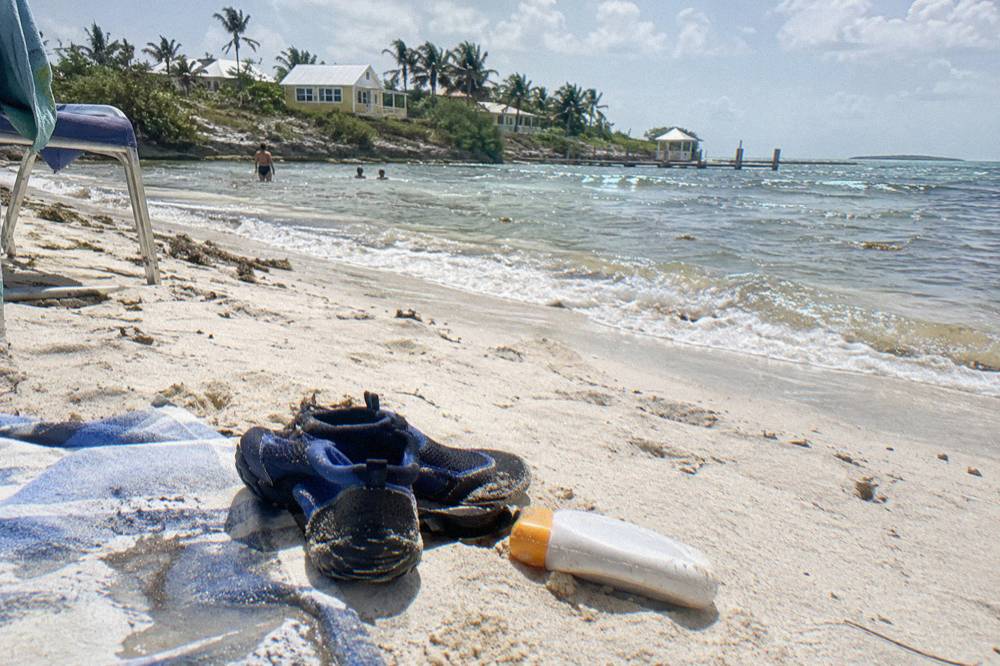
Practical points that people miss: spray sunscreen on a windy boat deck mostly goes overboard rather than onto skin, so lotion wins. Lips burn badly and get forgotten, so a lip balm with SPF earns its place. Feet burn too, on the sandbar and on hot dock planking at Compass Cay, which is the strongest argument for water shoes beyond the rocks. And the sea itself will not cool you the way you expect: water temperatures in the Exumas were reading about 29 degrees Celsius in late October, which feels like a warm bath, not refreshment.
The sun section follows here, covering the protection that matters most on the water.
| Time Of Day | Sun Reality On The Boat | What To Do |
|---|---|---|
| 8:30 to 10 AM | Full sun already strong at check-in | Sunscreen applied before boarding, hat on |
| 10 AM to noon | Crossing and first stops, glare from water | First reapplication, sunglasses constant |
| Noon to 2 PM | Peak intensity, sandbar reflects from below | Long-sleeve layer, shade under canopy if the boat has one |
| 2 to 4:30 PM | Cumulative exposure, most burns happen here | Second reapplication, drink water, towel over shoulders |
One budget-friendly note: Tropic of Cancer Beach on Little Exuma, well south of the northern cays that Nassau boat tours reach, is free to access with no entry fee and no facilities, which also means no shade and no shop. Anything you want at a beach stop, you carry.
What Footwear Works For Pigs, Sandbars And Rocky Cays?
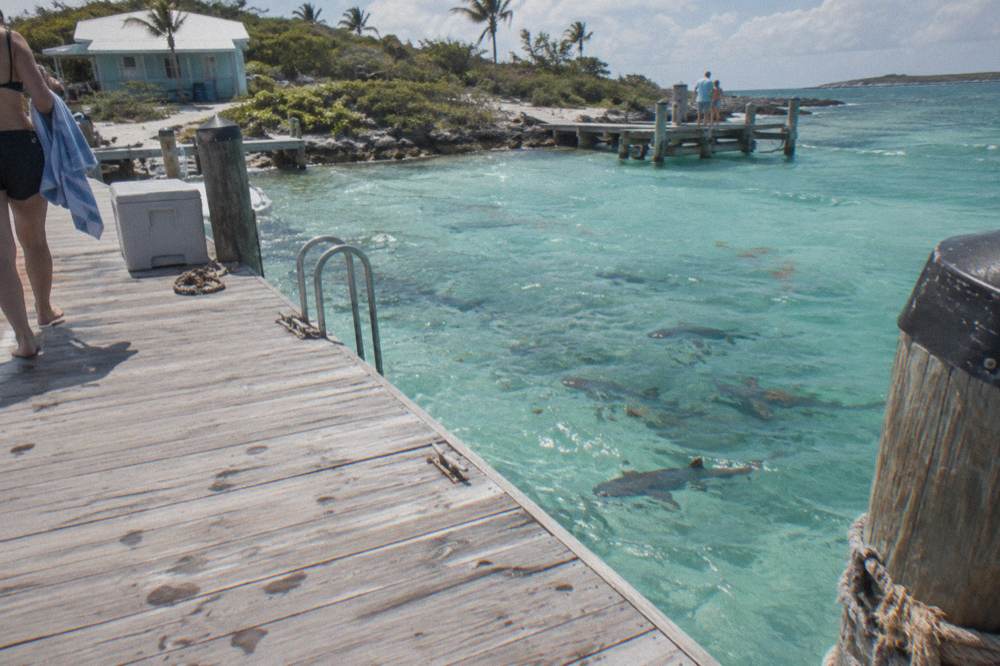
Water shoes with a hard sole are the right answer for an Exuma boat tour, because the day mixes soft sand, coral rubble, broken shell and hot dock planking, and flip-flops fail on at least three of those. Barefoot works on the boat and on clean sand, but the iguana cays and the approach to Thunderball Grotto are uneven rock where a stubbed toe or a cut sole ends your swimming.
The case for closed water shoes is strongest at the iguana stops. The cays where the rock iguanas live are exactly what they sound like, rock, and the trails from the landing beach to where the iguanas gather are rough underfoot. The iguanas themselves are protected, and operator guidance for feeding them is specific: grapes offered on wooden sticks, never by hand or with improper food, and no chasing or holding, per the operator-published rules. Sturdy footing keeps your attention on that rather than on your feet.
At Compass Cay, where nurse sharks circle the dock, you stand on planking that gets hot mid-day and slick where it is wet. At the sandbars, footing is soft sand under shallow water, which is the one place barefoot is genuinely pleasant. For the grotto, you enter the water from rock and float inside; shoes you can swim in, or a pair you can leave in the boat with a mate, both work.
| Stop On A Typical Day Tour | Underfoot Conditions | Best Footwear |
|---|---|---|
| Big Major Cay, Pig Beach | Soft sand, shallow water | Barefoot or water shoes |
| Iguana cay, Bitter Guana or Allen's | Coral rubble, rough trail | Hard-sole water shoes |
| Compass Cay dock | Hot planking, wet and slick | Water shoes or sandals with grip |
| Thunderball Grotto | Rock entry, then swimming | Swim-capable water shoes or none |
| Sandbar stop | Soft sand under shallow water | Barefoot |
Avoid brand-new shoes bought for the trip, and avoid anything that needs lacing tightly, since you will take shoes on and off five or more times across the day. A single pair of slip-on water shoes with a real sole covers every stop.
Do You Need Cash For Landing Fees On Exuma Day Tours?
Yes, bring cash in small bills, because at least one major stop charges a day-use fee and some smaller vendors and marinas prefer or require it. Compass Cay, the nurse shark stop, charges a published $15 per person day-use landing fee plus boat fees, credit cards are accepted but a cash backup is advised, and most day tours from Nassau absorb such fees into the ticket price, so check your specific tour's inclusions before assuming.
The fee landscape is genuinely confusing, so here is the honest map. Compass Cay Marina publishes its $15 per person day-use fee on its own terms. The Exuma Cays Land and Sea Park, which covers a stretch of the Exuma Cays and is a strict no-take zone established in 1958, charges charter operators landing fees of BSD 6.36 per person at most locations, or BSD 12.73 for a guided Warderick Wells tour, with 10% VAT added, per the official Bahamas National Trust payment page. The Bahamian dollar is pegged one to one with the US dollar and US cash is accepted everywhere, which removes any currency anxiety.
The important nuance: day tours from Nassau normally absorb these fees in the ticket price. Whether Pig Beach landing costs, the Compass Cay fee or iguana cay stops are included varies by operator, so check the booking page's inclusions section before your date. If everything is included, your cash is for tips and any drinks or souvenirs at Staniel Cay; if not, you need maybe $20 to $40 per person in small bills.

| Fee | Amount | Who Charges It | Usually Included In Tour Price? |
|---|---|---|---|
| Compass Cay day use | $15 per person | Compass Cay Marina | Often yes, check the listing |
| Park day landing, other locations | BSD 6.36 per person plus VAT | Bahamas National Trust | Usually yes for operators |
| Park guided tour at Warderick Wells | BSD 12.73 per person plus VAT | Bahamas National Trust | Only on itineraries that stop there |
| Thunderball Grotto entry | No admission fee | Nobody | Yes, it is free |
| Pig Beach itself | No entrance fee | Nobody | You pay for the boat, not the beach |
Two facts in that table surprise people: Thunderball Grotto charges nothing, and Pig Beach itself has no entrance fee. The cost of the famous stops is entirely the cost of getting there, which is why the tour price, not a gate price, is the number that matters. For a full picture of the day-trip economics, see the guide on how much swimming with pigs costs.
If you are weighing a longer, more wildlife-heavy itinerary against the standard powerboat day, the tour below adds sharks and iguanas to the pig stops across roughly eight and a half hours.
The Original Exuma Day Away excursion is rated 4.5 across 474 reviews and runs from $378, which makes it one of the lower-priced full days on this route. Its inclusions are listed in full on the booking page, including which landing fees are covered.
How Do You Keep Cameras And Phones Safe Around Salt Water?
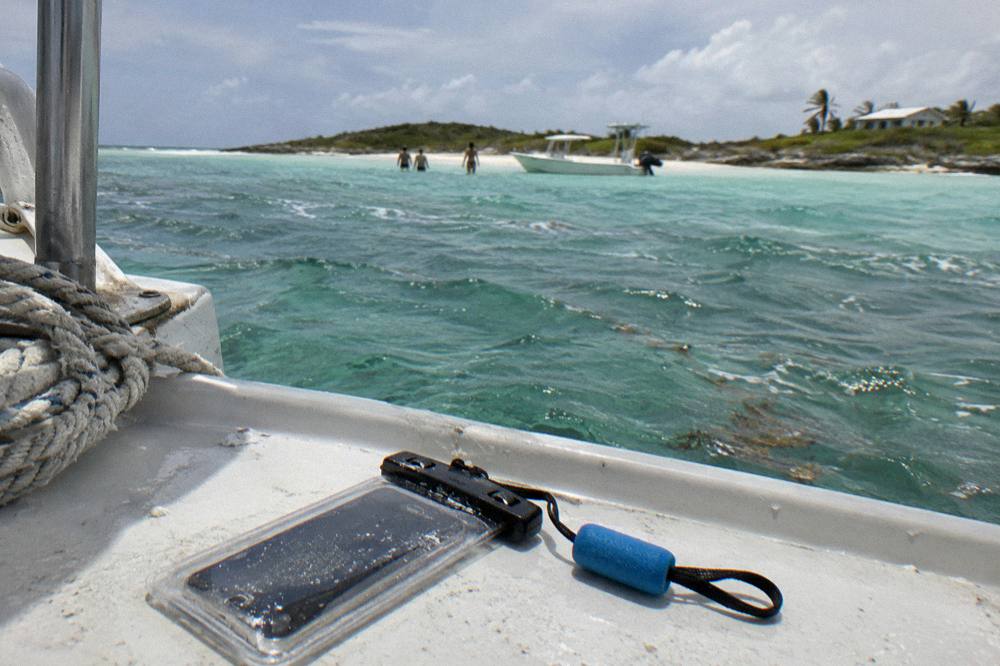
Use a sealed waterproof pouch for your phone, worn on a lanyard around your neck, and a hard or truly waterproof case for any camera, because salt water, sand and spray kill more devices on Exuma tours than drops do. Test any pouch in a sink before the trip, since manufacturing seals fail often enough that an untested pouch is a gamble, and never rely on a bag being "splashproof" for a grotto swim.
The physics of the day are against electronics. The crossing to the cays throws spray over open boats for two hours. The sandbar stop puts your device inches above warm salt water while your hands are wet and sandy. Thunderball Grotto, the most photographed stop of the day, is entered by swimming through a rock gap, so a phone that cannot go in the water simply stays in the boat. Guests who want grotto photos from inside either bring a waterproof case or accept that the crew's photos, which many tours sell or share, are the record of the day. The full index of guides sits on Exuma Tours.
Practical habits: empty your pockets before boarding, since keys and phones ride better in a dry bag; carry a small microfiber cloth for lens fog and salt film; and if you bring a proper camera, a floating wrist strap is cheap insurance on a boat. A dry bag inside a backpack, with the pouch-worn phone for quick shots, is the combination that works.
Power is the second question. Full-day tours run about eight hours, nearly all of it away from any outlet, and phones working hard on photos, video and weak cell signal drain fast. A charged power bank, cables included, weighs little and solves it. Signal itself fades across the cays, so download offline maps and any booking confirmation before the boat leaves.
What Helps With Motion Sickness On The Ride To Pig Beach?
Take motion sickness medication 30 to 60 minutes before boarding, not after you feel unwell, because the crossing from Nassau to the northern Exuma Cays runs roughly two hours each way on open water and the windows when tablets still work are early ones. Choose a seat near the center and rear of the boat, watch the horizon rather than your phone, and skip heavy breakfasts and alcohol before departure.
The crossing is the part of the day the packing list cannot fix but preparation can. Seas vary with weather, and operators hold the right to reschedule or cancel in rough conditions, which happens most often in the August to October peak of the hurricane season that runs 1 June to 30 November. Sea conditions vary through the year, so check the marine forecast before your boat day., but that is luck, not a forecast, so check the weather the evening before and the morning of your tour.
The medications that work are the standard ones: dimenhydrinate, meclizine or prescription scopolamine patches, the patch applied well before departure. Ginger chews help mild symptoms for some people and cost nothing to try. Two non-drug tactics matter as much: facing forward, and fixing your gaze on the horizon or a fixed point on land, which gives your inner ear and your eyes the same story. Reading, texting and reviewing photos mid-crossing do the opposite.
The Exuma Powerboat Tour from Nassau with Swimming Pigs, rated 4.8 across 536 reviews and priced from $439, is a good example of the format: about eight hours, departure around mid-morning from the Paradise Island ferry terminal area, return near 4:30 PM. You can check availability alongside reading the full Exuma powerboat tour rundown, and it pairs with this site's swimming with pigs from Nassau guide for the wider picture.
From Nassau: Exclusive Fly-In Trip for a Premium Beach Day is rated 4.7 across 138 reviews over roughly seven hours, and its listing spells out exactly what is provided, which is the packing shortcut: when towels, water and gear are included, your bag gets smaller.
What Should You Leave Behind On An Exuma Day Tour?
Leave behind hard-sided luggage, jewelry, drones unless the operator confirms them, glass bottles, single-use plastics where the operator discourages them, and anything you would be upset to lose to water, including original travel documents. Snorkel gear and fins are provided on essentially every listed day tour, so bringing your own is optional comfort, not necessity, and big camera rigs only pay off if you can swim with them.
The exclusions list is shorter than the packing list but just as decisive. Glass is barred on many boats and beaches for obvious reasons on barefoot stops. Drones face restrictions around private cays and marinas, and operators differ, so ask first rather than packing one. Expensive watches and jewelry serve no purpose on a sandbar and salt water marks them. Reef-walking fins and bulky snorkel kits duplicate what the boat carries, and the crew's gear is suited to the exact stops.
One category deserves a specific warning: plastic bags and wrappers. Operators at Pig Beach ask guests to take all waste back to the boat, since there is no collection on the island. Pack snacks in reusable containers and your trash leaves with you, which is both the rule and basic courtesy on an uninhabited cay.
| Leave It At The Hotel | Why |
|---|---|
| Passport and originals | Hotel safe; a phone photo suffices for day tours |
| Hard suitcase | No storage on fast boats; soft dry bag only |
| Jewelry and watches | Salt water damage, zero use on the day |
| Drone | Restrictions vary by cay and operator, confirm first |
| Your own fins and mask | Provided by tours; optional mask only if you prefer yours |
| Glass bottles | Banned on most boats and beaches |
| Thick towels and cotton layers | Never dry; quick-dry versions only |
What Does The Day Actually Look Like, Hour By Hour?
A standard full-day tour from Nassau checks in around 8:45 AM near the Paradise Island ferry terminal, departs near 9 AM, spends roughly two hours crossing to the northern cays, rotates through three to five stops including Pig Beach, an iguana cay, Compass Cay and Thunderball Grotto with lunch at Staniel Cay, and returns near 4:30 PM, about eight hours total, which is why every item on the packing list exists.
Knowing the shape of the day tells you when each item gets used. Sunscreen goes on at check-in, not at the first swim. Water shoes come on and off at every stop, so wear them loose. Lunch at or near Staniel Cay sits mid-day, which is when the long-sleeve layer earns its place, and the return crossing is when motion sickness returns for anyone who stopped watching the horizon over lunch. A good companion read for the route itself is the Nassau to Exuma day trip guide, and the best time to visit Exuma explains which months give you the calmest crossing.
Not every tour fits that mold, and the differences matter for packing. A shorter luxury option, the Elite Escape, compresses the day to about six hours and skips the longest crossings, rated 4.8 across 580 reviews from $850, which suits travelers who want the wildlife stops without the full-day commitment.
Groups with children or uncertain sea legs should read the fine print carefully: some full-day powerboat listings note the experience may not suit cruise ship passengers because of the early check-in and fixed return time, and one Great Exuma operator flags its group boat as not recommended for children under five. Those flags live on the booking page of each specific tour.
Common Questions About What To Bring On An Exuma Boat Tour
Do I Need To Bring My Own Snorkel Gear?
No. Most full-day Exuma tours provide mask, snorkel and fins. Check the listing., so bringing your own is a comfort choice, not a requirement. If you prefer your own mask for fit, that is the one piece worth carrying.
How Much Cash Should I Bring?
Roughly $20 to $40 per person in small US bills covers landing fees if your tour does not include them, plus tips. Compass Cay charges $15 per person for day use. Bills are accepted one to one with Bahamian dollars.
Are Water Shoes Really Necessary?
They are the most recommended single item after sunscreen. Iguana cays are coral rubble, the Compass Cay dock is hot and slick, and the grotto entry is rock. Any hard-sole slip-on water shoe handles all of it.
Should I Take Motion Sickness Tablets Even If I Have Never Been Seasick?
The crossing is roughly two hours each way on open water, which is longer and rougher than most people's previous boat experience. Taking a standard tablet 30 to 60 minutes before boarding costs nothing and ruins nothing.
Can I Bring A Drone To Film Pig Beach?
Ask your operator before packing one. Restrictions around private cays and marinas vary, and some tours prohibit them outright. The listing's contact details are the fastest way to a yes or no.
Is There Anywhere To Buy Forgotten Items On The Day?
Not reliably. Check-in is at a ferry terminal area in Nassau with limited retail, and the cays have no shops at the stops that matter. Treat the packing list as final and pack the night before.