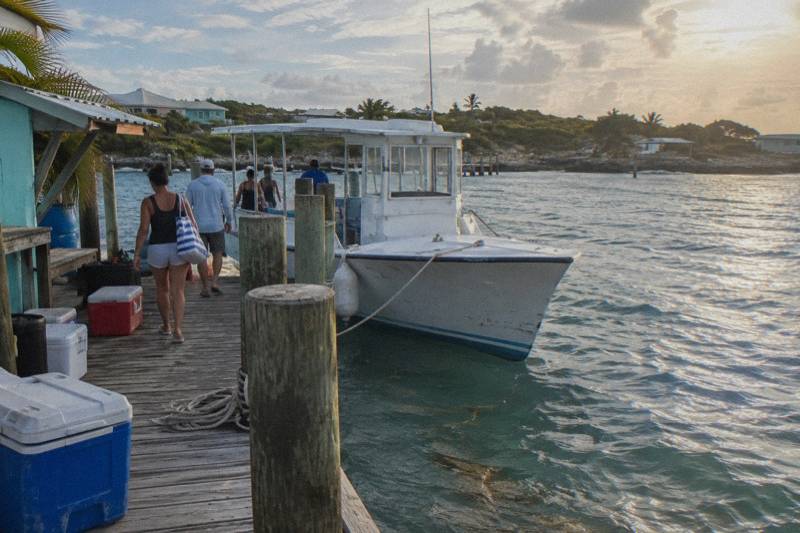
Is Exuma Safer Than Nassau?
A practical comparison of Exuma and Nassau for visitors, framed around day-trip behaviour, tour structure, weather and wildlife rules rather than crime statistics.
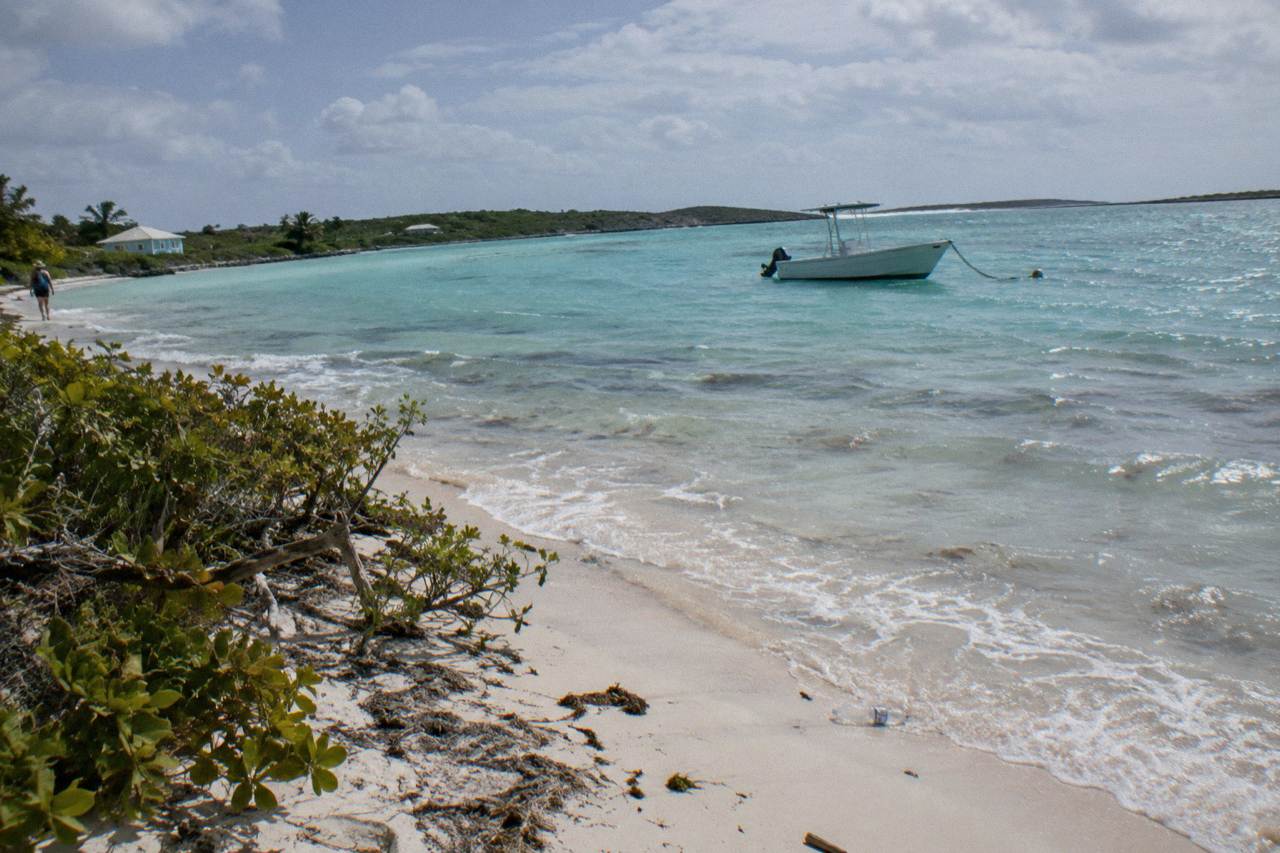
For a visitor, the honest answer is yes in one narrow sense: a well-run Exuma day trip is a tightly supervised format, shaped by how tours are structured, how crews brief guests, how weather is handled, and how animal encounters are managed, while the precautions that keep you safe in Nassau, mainly basic big-city awareness, do not disappear the moment you board a boat. No official advisory or crime statistics single out either island by name.
The question people are usually really asking is whether they can relax. Nassau is a city of roughly a quarter million people with a cruise port, a downtown, traffic and the ordinary texture of any Caribbean capital. Exuma is a chain of cays where the permanent population is small, the pace is slow, and most visitor activity happens on the water with a crew in charge. That contrast is real, but it is a contrast of setting, not of some inherent safety property.
What the verified sources do support is a focus on behaviour. The Bahamas Ministry of Tourism describes the swimming pigs at Big Major Cay as about 20 pigs and piglets on an uninhabited cay reachable only by boat, and it publishes entry requirements and ecotourism guidance rather than safety warnings aimed at either island. The practical risks on an Exuma day trip are open water, sun, tides and wildlife, and each of those is managed by the operator, the weather window and your own choices. Each of those is covered in the sections below, because each one matters more than the island name on your hotel booking.
What Does Safety Look Like On A Guided Boat Day?
Safety on a guided boat day looks like structure: a fixed morning check-in, a boat captain, a published route, a crew briefing at each stop, and a return time agreed before departure. That rigidity is the safety system, and when seas, tides, or animal behaviour change, the crew, not the visitor, makes the call.
A useful way to think about it: on land in a city, you are your own risk manager. On a boat, you have delegated that job. Operators report that captains decide the order of stops, how long to stay at Pig Beach, often 20 to 60 minutes depending on crowds and conditions, and whether Thunderball Grotto is enterable at all, since the safe window is around low or slack tide when the entrances are exposed and the current is weakest. None of those judgements are yours to make, and that is the point.
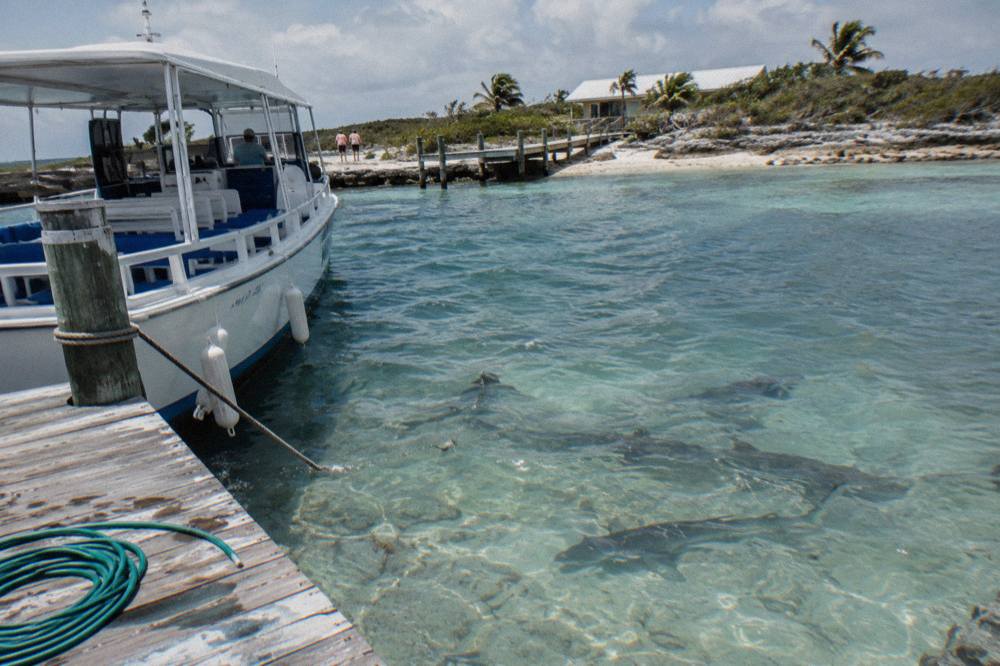
The structure also covers the animals. At Compass Cay, where nurse sharks gather around the marina dock, visitors get a safety briefing before entering the water: no stepping on sharks, no grabbing or chasing, no sudden movements. At Big Major Cay, operators ask guests to feed the pigs only food the crew provides, in the water or from the hand, never on the sand, and never to chase, corner or pick up piglets. No government regulation on feeding or interactions was found on official Bahamas pages, so these are operator rules, but they are consistently reported and consistently enforced by crews.
For a reader whose main worry is the unknown, the Exuma Island Hopping Swimming Pigs Tour with Lunch from Nassau is a good illustration of the format: about 8 hours, rated 4.8 across 689 reviews, from $438.90 per person, with lunch and the classic stops built into one crew-run itinerary. You can also check the live availability and full terms before committing, and free-cancellation terms are typical on this category, so confirm them at booking.
Thinking about whether a guided day is the right first move?
How Much Do Weather And Season Decide Your Day?
Weather, not island choice, is the single biggest variable in how safe and comfortable an Exuma day feels. Hurricane season runs 1 June to 30 November with peak activity August to October, so operators routinely reschedule or cancel boat tours in rough seas, and by late October 2026, with no active tropical systems near the Bahamas and sea temperatures around 29 degrees Celsius, conditions sat firmly inside the risky window.
The seasonal pattern matters for planning more than any safety comparison between islands. Guides and charter operators consistently describe December through May as the period with calmer conditions and better water clarity, while the August to October peak brings a higher chance of disrupted itineraries. That does not mean autumn trips are unsafe; it means the crew's go or no-go decision carries more weight, and building a flexible day or two into your itinerary is the practical mitigation.
The open-water crossing is the other weather factor. Speedboat day trips from Nassau to the Exuma Cays involve roughly 2 to 3 hours each way across open water, which is why listings describe high-performance boats, early check-ins around 8:45 to 9:00 in the morning, and returns near 4:30 in the afternoon. Seasickness, sun exposure and fatigue are the ordinary risks of that crossing, and experienced crews manage all three; a reader prone to motion sickness should say so at booking and consider the fly-in formats instead, which replace the crossing with a short flight.
| Season window | Typical conditions | What it means for a day trip |
|---|---|---|
| December to May | Calmer seas, clearer water, busier high season | Most reliable window for a first full-day boat trip |
| June to July | Early hurricane season, warm sea temperatures | Generally workable, watch forecasts, keep schedule flexibility |
| August to October | Peak hurricane season, higher chance of disruption | Crews reschedule or cancel in rough seas; travel insurance and a buffer day help |
If your itinerary leans on a specific cay, check the current status with your operator before booking around it.
Are The Animal Encounters Safe For A Nervous Traveller?
Yes, with conditions: the pigs, Compass Cay nurse sharks, and iguanas are wild animals, and your safety rests on crew guidelines rather than government regulation, as no official Bahamas rules on feeding or interacting with them were found. Stick to the briefing, crew-provided food only, feeding in the water, letting animals approach, and never chasing or picking up young, and the encounters stay structured; improvise and they do not.
The pigs themselves carry a sober history. Deaths among the Big Major Cay colony in 2017 were linked in reporting to sand ingestion, and the feeding rules visitors hear today, food from the captain only, nothing on the sand, all trash carried back off the island, are enforced for the animals' welfare. The colony today is described on the official Bahamas tourism page as roughly 20 pigs and piglets. The rules exist because the animals' welfare and the visitors' safety point the same direction: a pig eating sand or hunting for discarded snacks is a pig behaving unpredictably near people in the water. Everything else covered here is indexed on Exuma Tours.
The nurse sharks at Compass Cay are a different kind of stop. There is a published day-use landing fee of $15 per person at the marina, and the interaction happens at the dock under a briefing, with rules against stepping on, grabbing or chasing the animals. Nurse sharks are generally docile, but they are still sharks with powerful jaws, and the briefing exists because a small number of guests every season treat a wild animal like a pool toy. The iguanas of the northern cays are protected by law as a named Bahamian species, and operators feed them grapes offered on wooden sticks so fingers stay clear of teeth.
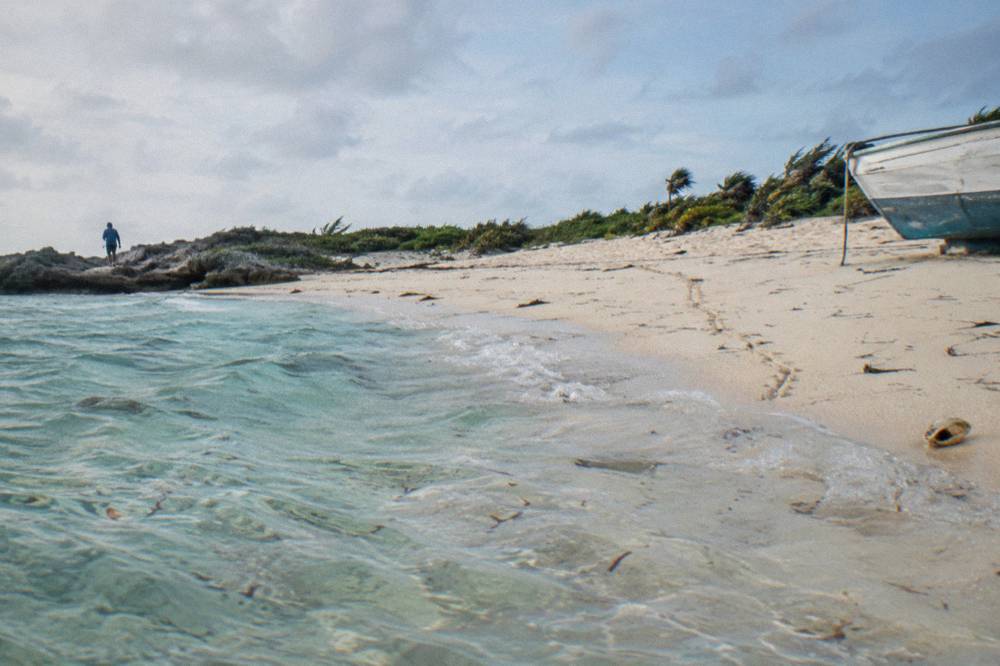
The protected-species framing is worth pausing on, because it separates Exuma's wildlife stops from a generic petting-zoo experience. The Bahamas Ministry of Tourism's ecotourism page names the Bahamian rock iguana and the West Indian flamingo as protected species, and the Exuma Cays Land and Sea Park, established in 1958 as the first marine reserve in the wider Caribbean, is a strict no-take zone where nothing living or dead may be removed. Thunderball Grotto and Pig Beach lie outside the park's southern boundary, per secondary sources, but the overall culture of the cays treats the animals as the asset, and crews enforce accordingly.
Which Tour Format Suits A Cautious First-Timer?
For a cautious first-timer, the format matters as much as the destination: a short local water tour from Great Exuma keeps the day small at $175 per person, a shared full-day boat tour surrounds you with a crew and group from check-in to return, a fly-in trip cuts open-water time, and a private charter, up to $8,500 per group, gives you control of the pace.
The Nassau-departure speedboat tours, roughly 8 hours and from $329 to $499 per person depending on inclusions, are the classic first-timer format: one booking, one crew, lunch and stops bundled. The Exuma Day Away original excursion runs about 8 hours 30 minutes, is rated 4.5 across 474 reviews and starts from $378 per person, a slightly cheaper entry into the same circuit. At the other end, the Exclusive Fly-In Trip for a Premium Beach Day, from $838.35 per person and rated 4.7 across 138 reviews, replaces the long crossing with a flight, which suits travellers who want the cays without the open-water hours.
| Format | Typical price | Time commitment | Best fit |
|---|---|---|---|
| Shared speedboat day from Nassau | From $328.90 to $499 per person | About 8 to 9 hours | First-timers who want the full circuit, pigs included |
| Fly-in day from Nassau | From $838.35 per person | About 7 hours | Motion-sensitive or time-poor travellers |
| Short local water tour from Great Exuma | From $175 per person | 2.5 to 3 hours | Families and cautious swimmers testing the water |
| Private charter or private day | From $6,000 to $8,500 per group | About 8 hours | Groups wanting full control of pace and stops |
Departure point matters as much as format. Most pig, shark and iguana tours depart Nassau, by speedboat or by plane, while tours such as the Bahamas Local Water Tours to George Town and Exuma, from $175 per person, depart Great Exuma itself. Mixing the two up is the classic first-timer mistake, so confirm where your tour leaves from before you book the hotel around it. The Exuma day trip planner from Nassau walks through the crossing options in detail.
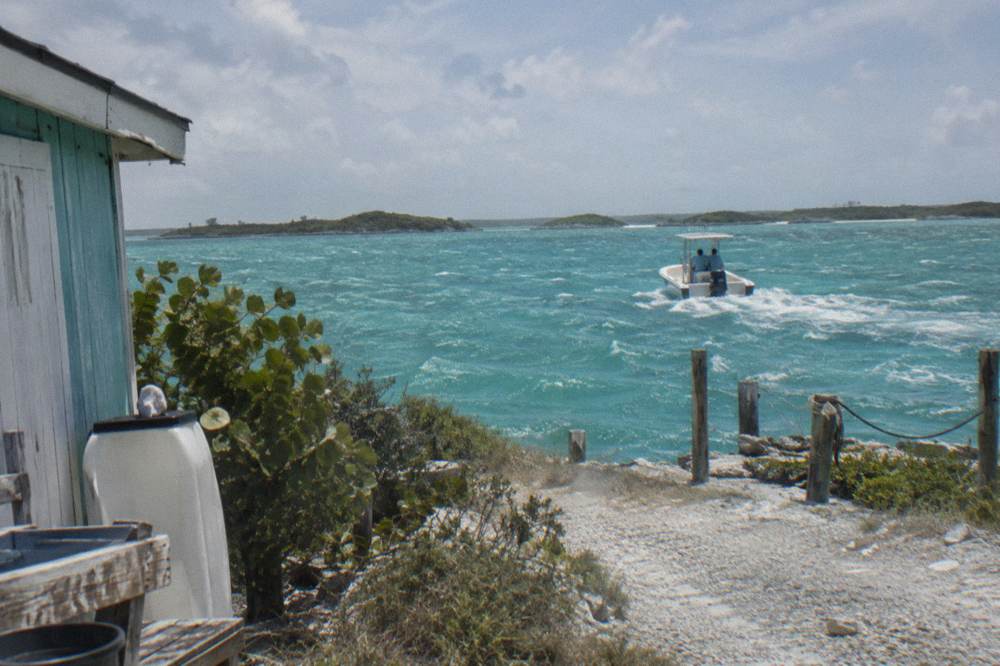
For a middle path, the Exuma Island and Cays Tour departs Barraterre Dock on Great Exuma and covers the highlights in about 7 hours 30 minutes, is rated 4.9 across 111 reviews and starts from $330 per person, trading a little itinerary depth for a slightly shorter day.
What Should You Sort Out Before You Board?
Before you board, get your documents in order and pack a short list of boat basics: a passport valid at least six months beyond entry for non-citizens, no visa required for US, Canadian and UK visitors staying under three months, the arrival and departure card, and the $29 per person departure tax for ages six and up, usually collected in the airfare. Pack reef-safe sunscreen, a hat, sunglasses, a towel, a waterproof phone case and water shoes.
The entry rules come straight from official Bahamas immigration pages: passport cards are not accepted, the arrival and departure card is required, and a digital arrival card has been in soft launch for select visitors, with the paper card still the default for most. The six-month passport validity requirement catches travellers every season, usually people who booked a spontaneous trip on a passport nearing renewal, so check the date before anything else. For a deeper walkthrough see the Bahamas entry requirements guide.
On the water, sun is the most underestimated risk. A full day on a boat compounds exposure: reflection off the water, no shade at sandbar stops, and hours between meaningful shelter. Reef-safe sunscreen is not just eco-formality in the cays, it is what operators ask for around coral and marine life, and reapplying matters more than the SPF number on the tube. Hydration runs a close second, since a hot crossing followed by swimming and sun dehydrates people faster than they notice.
A final planning note for anyone building the trip around flights: American Airlines will operate three daily nonstop flights from Miami to Exuma International Airport from 17 December 2026 through 5 April 2027, on top of existing seasonal service from Atlanta and Charlotte and frequent connections via Nassau. Getting to Great Exuma is getting easier, which makes the underlying question, what you do when you get there, the one actually worth planning.
The Honest Bottom Line
The honest bottom line is that neither Exuma nor Nassau shows up in the verified sources with travel advisories or crime statistics, so no data ranks one as safer. The real difference is structure: an Exuma day trip puts crews, routes, briefings and weather calls in professional hands, while Nassau asks for ordinary urban awareness around crowds, cash and after-dark areas. Sensible behaviour covers both.
That is the reassurance a cautious reader can actually use. You are not choosing between a safe island and a dangerous one; you are choosing how much of your day runs on someone else's checklist. A guided format puts hydration, sun, tides, animals and open water in the hands of a crew that repeats the day several times a week, and leaves you with the one job you cannot delegate, which is listening at the briefing. For the wider picture of how the options stack up, the Exuma boat tours compared guide is the natural next read, and the question of whether a boat day is worth it at all is tackled honestly in is the boat ride to Thunderball Grotto worth it.
Whatever you choose, book the format that matches your comfort with open water, read the cancellation terms at checkout, and give the crew your attention at every stop. That, more than the island name, is what a safe day in the Exumas looks like.
Common Questions About Exuma Vs Nassau Safety
Is Exuma Safer Than Nassau?
No advisory text or crime statistics for either island appear in the verified sources behind this article, so the honest comparison is structural: Exuma visitor activity is mostly crew-run boat tours with briefings and weather calls, while Nassau is a city that rewards ordinary urban awareness. Both are manageable with sensible behaviour.
Do I Need A License Or Permit To Visit Pig Beach?
No official landing or feeding regulation was found on Bahamas government or Bahamas National Trust pages. Access is by boat, effectively through tour operators, and the feeding rules you will hear are set by the crews: crew-provided food only, fed in the water, never on the sand.
Is Swimming With Nurse Sharks At Compass Cay Safe?
The interaction happens at the marina dock after a safety briefing, with rules against stepping on, grabbing or chasing the sharks. Nurse sharks are generally docile, and a published $15 per person day-use fee applies. Follow the briefing and do not touch the animals.
Can Bad Weather Cancel My Exuma Tour?
Yes. Hurricane season runs 1 June to 30 November with an August to October peak, and operators reschedule or cancel boat tours in rough seas as a matter of course. December to May typically brings calmer conditions and clearer water.
Which Tour Format Is Best If I Am Nervous About Open Water?
A fly-in day from Nassau, from $838.35 per person, replaces the 2 to 3 hour speedboat crossing with a short flight. Alternatively, a short local water tour from Great Exuma, from $175 per person, keeps the day small and close to shore.
What Documents Do I Need To Enter The Bahamas?
A passport valid at least six months beyond entry for non-citizens, with no visa for US, Canadian and UK visitors staying under three months, plus the arrival and departure card. A departure tax of $29 per person aged six and over applies and is usually included in the airfare.