Exuma Fishing And Bonefishing Charters
Exuma splits its fishing between shallow bonefish flats and deeper offshore water, and the two come with different boats, different prices and one strict rule: nothing may be taken from the Exuma Cays Land and Sea Park.
Short answer
Charter fishing around Exuma runs from about $450 for a half day of flats fishing for one or two anglers to $600 to $750 for a full day, while private boat-and-fishing charters start from $1,006.49. The Exuma Cays Land and Sea Park is a strict no-take zone, so plan fishing grounds outside its boundaries.
Fishing is the other Exuma. Most visitors come for pigs and sandbars, and the speedboat fleet that serves them is easy to find, but the islands also sit on some of the most productive bonefish flats in the Bahamas, plus reef, wahoo and mahi grounds offshore. The choice between them shapes the whole day: the boat, the price, the guide and even which islands you are allowed to fish near.
This guide covers what an Exuma Tours reader planning a fishing day needs to decide: charter prices from current operator listings, the difference between flats and offshore trips, the no-take rules inside the Exuma Cays Land and Sea Park, and the half day versus full day trade-off.
What Does An Exuma Fishing Charter Cost?
A flats fishing charter in Exuma runs from about $450 for a half day of fly or spin fishing to $600 for a full fly day, with full-day spin trips listed at $750, and a second operator prices half days at $550 and full days at $750 for one or two guests. Private boat and fishing charters start from $1,006.49, and short boat tours around George Town start lower, from $175 per person.
Those flats figures come straight from Exuma bonefishing operators' own pricing pages: one lists half-day fly or spin at $450 and full-day fly at $600, with full-day spin at $750. Another operator lists half days at $550 and full days at $750 for one or two guests, roughly four or seven and a half hours on the water. Both note rates can change, so treat these as planning numbers and confirm before booking. For anglers who want the boat to themselves with fishing among several possible activities, Crystal Bay Exuma Private Boat Tours & Fishing Charters starts from $1,006.49, with the booking page printing a per-person basis that varies by group size, so confirm the total for your party.
The price bands stack up roughly like this:
| Trip type | Typical price | Basis | Notes |
|---|---|---|---|
| Half-day flats (fly or spin) | $450 to $550 | per 1-2 guests | Roughly 4 hours |
| Full-day flats (fly) | $600 | per 1-2 guests | Operator listing |
| Full-day flats (spin) | $750 | per 1-2 guests | Operator listing |
| Private boat and fishing charter | from $1,006.49 | varies by group size | Confirm basis on the booking page |
| Local water tour, George Town area | from $175 | per person | Short tour, not a dedicated fishing day |
One trap to avoid: per-group prices are not per-person prices. The private charters are quoted for the boat or the party, never per angler, so do not divide them. If a listing does not state the basis, check the booking page before assuming. It also pays to ask what is included in the headline number. Some charter prices bundle fuel, tackle, bait and even the fishing licence cost into one figure, while others quote a base rate with extras on the dock, and a $450 half day can behave very differently from a $550 half day depending on which model the operator uses. Gratuity for the mate, where there is one, is normally handled separately on any Bahamian charter.
Bonefishing Or Offshore: Which Charter Fits Your Trip?
Bonefishing means a shallow-draft skiff, a polling guide, wading the flats and sight-casting to single fish in inches of water; offshore and reef trips mean a bigger boat, trolling or bottom fishing, and a realistic chance of larger fish and a cooler at the end. Flats charters in Exuma are typically priced per one or two guests, while offshore-style private charters are priced per boat.
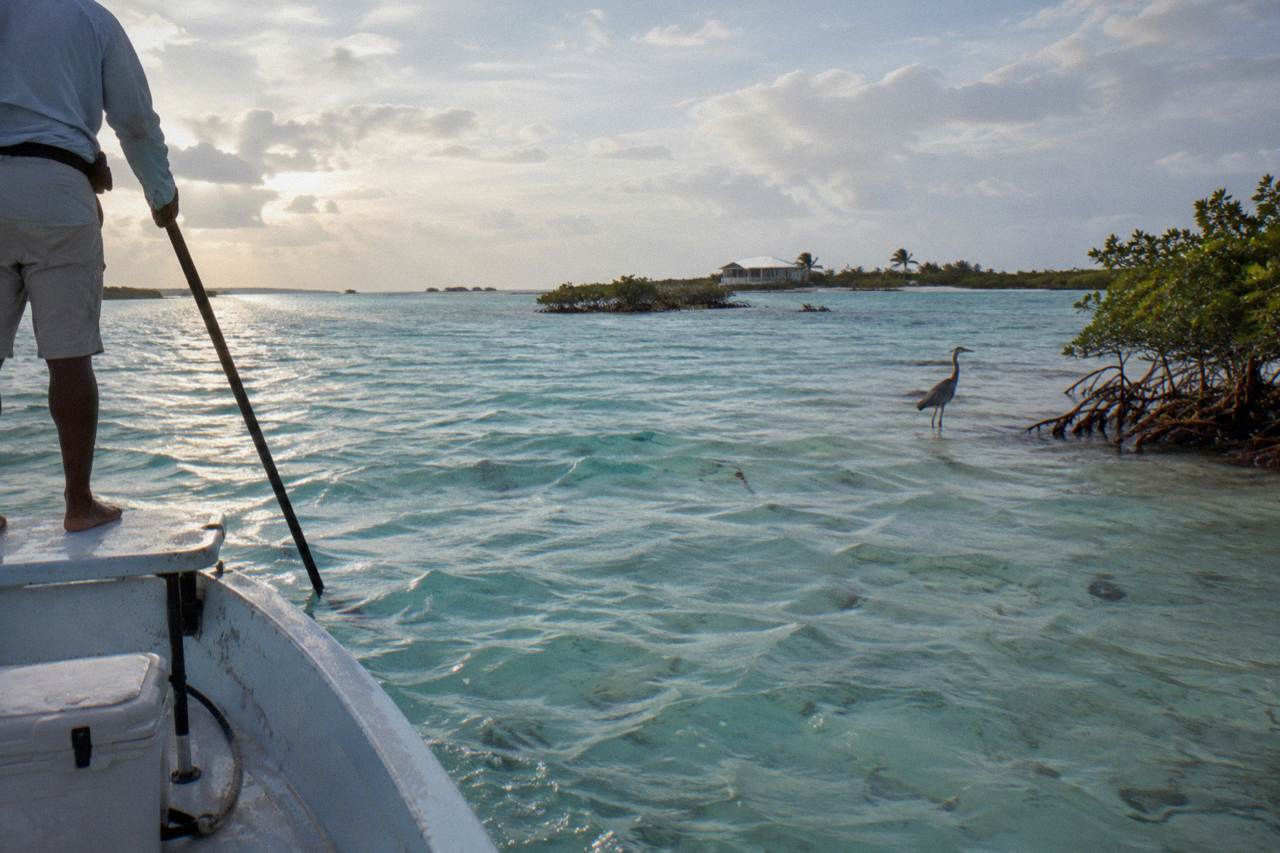
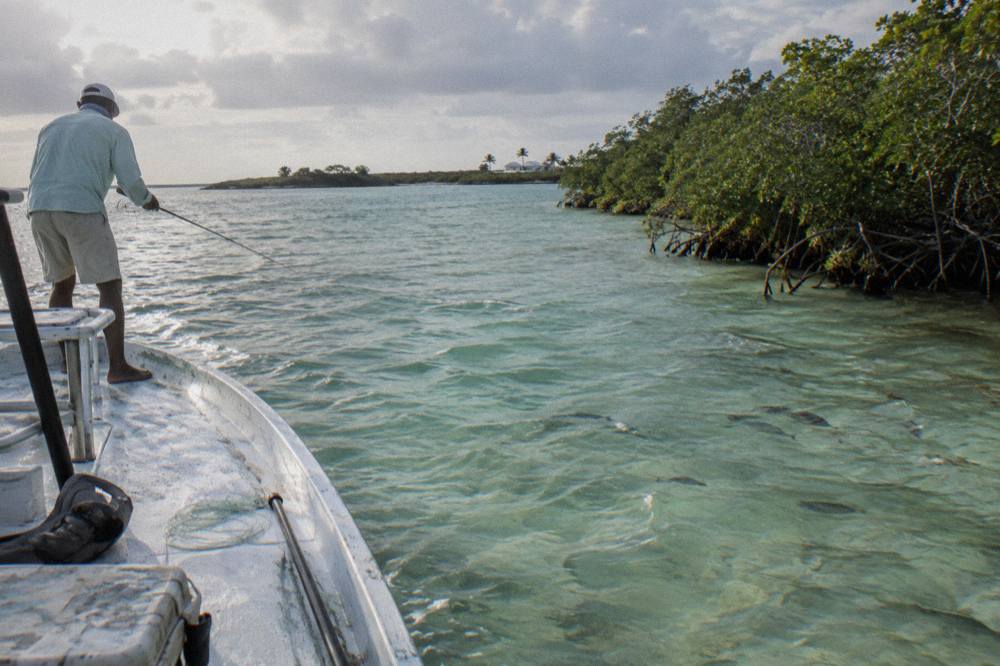
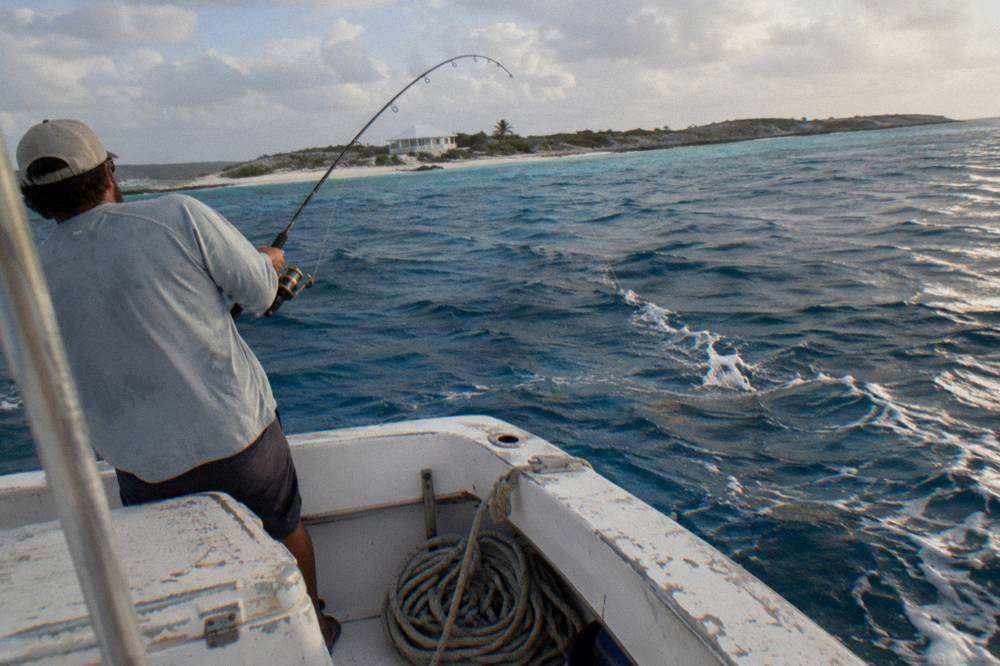
The flats are Exuma's signature fishery. Bonefish tail on the marl and grass flats around Great Exuma, Little Exuma and the barrier cays, and the standard unit of fishing is the skiff with a guide who poles you within casting range. It is quiet, technical and largely catch and release by culture, since bonefish are worth far more alive to the local fishery than on a plate. Fly anglers will want an 8 or 9 weight rod; spin anglers can fish the same water with light tackle and small jigs.
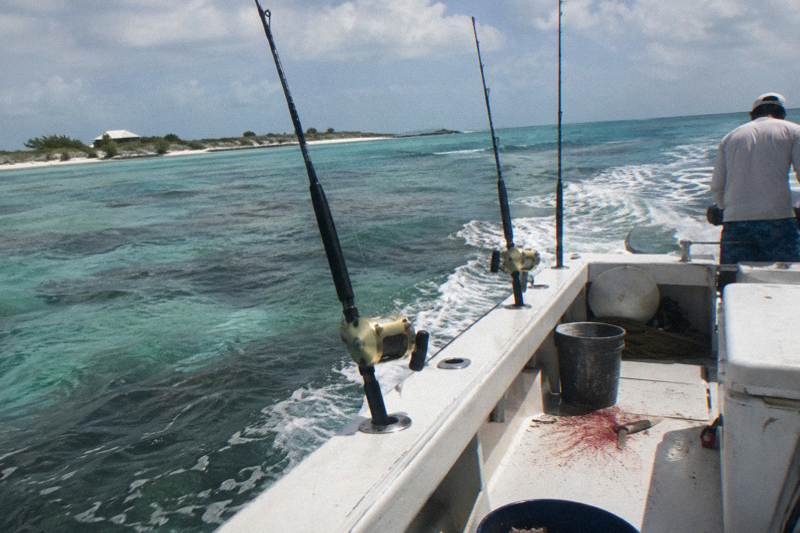
Offshore and reef trips run out toward the deep water east of the cays or work the patch reefs and drops. Here you are trolling for wahoo and mahi in season, or bottom fishing for snapper and grouper. The boats are larger, the day is less about stalking and more about covering water, and keeping fish for the table is normal outside protected areas. The private boat charter options that include fishing fall into this family: you are paying for the vessel and captain, and the itinerary can mix fishing with snorkeling and sandbar stops.
A quick comparison:
| Factor | Flats / bonefish | Offshore / reef |
|---|---|---|
| Boat | Shallow-draft skiff | Larger center console or cabin boat |
| Style | Poling, wading, sight-casting | Trolling, drifting, bottom fishing |
| Typical catch | Bonefish, occasional permit or barracuda | Snapper, grouper, wahoo, mahi |
| Keep fish | Normally catch and release | Commonly kept outside no-take zones |
| Pricing basis | Per one or two guests | Per boat or per group |
| Skill needed | Casting accuracy helps | Beginner friendly |
If your group includes non-anglers, the offshore or mixed private charter is usually the better call. Dedicated flats fishing rewards patience and casting practice, and three hours of poling after tailing fish can test a partner who mainly wants to swim. For more on the wider boat options, see the Exuma boat tours compared guide.
Where Can You Legally Fish Around Exuma?
The Exuma Cays Land and Sea Park, established in 1958 as the first marine reserve in the Bahamas and the wider Caribbean, is a strict no-take zone: no fishing, conching, shelling or lobstering, and nothing living or dead may be removed from inside its boundaries. All fishing must happen outside the park, and wardens and Royal Bahamas Defence Force officers enforce the rules with fines and potential vessel confiscation.
The park spans 112,640 acres of land and sea in the central cays, north of Compass Cay. Inside it, the rules are unambiguous and published by the Bahamas National Trust: no taking of any marine life, dead or alive, idle speed in mooring fields, and no anchoring on coral. If your day trip from the park's visitor point at Warderick Wells involves a rod, leave it stowed. Charter boats entering the park also carry per-passenger landing and mooring fees, typically BSD 6.36 to 12.73 per person per day depending on the location and activity, which operators normally absorb into the trip price.
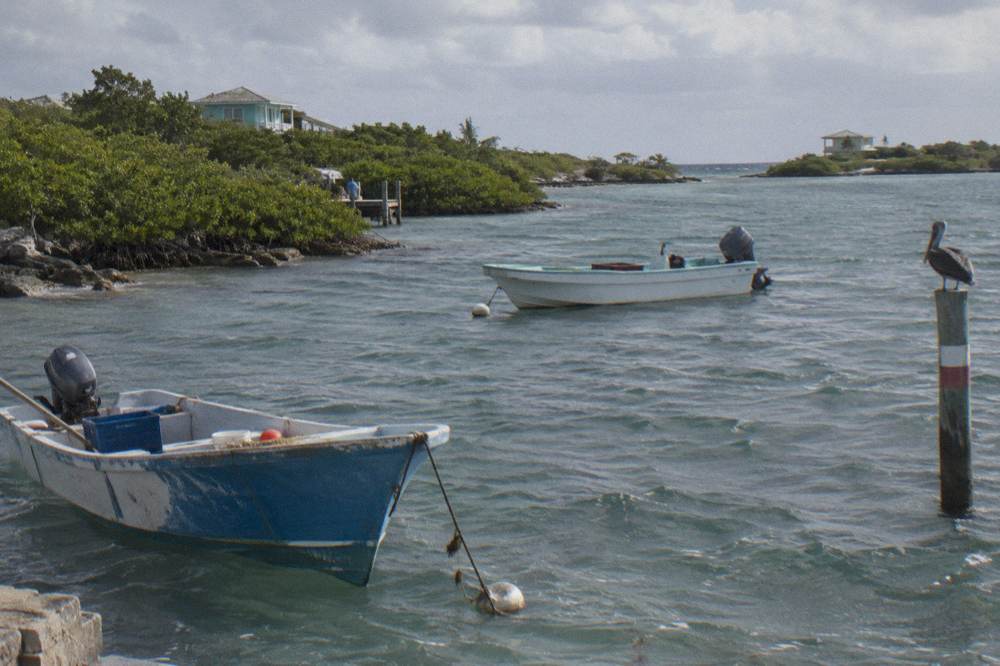
Outside the park, ordinary Bahamian fishing regulations apply. The flats and reefs around Great Exuma, Little Exuma and the southern cays are outside the park boundary, as are the waters north toward Nassau. Note that Thunderball Grotto and Pig Beach lie outside the park's southern boundary according to operator sources, though not confirmed on an official park page. For anglers, the practical rule is simple: your captain knows the boundary lines, and any reputable guide plans the fishing grounds around them.
A few boundary facts worth knowing before you plan:
| Area | Fishing status | What applies |
|---|---|---|
| Exuma Cays Land and Sea Park | No-take zone | Nothing living or dead removed; enforced by wardens |
| Flats around Great and Little Exuma | Open to fishing | Standard Bahamian regulations |
| Reefs and offshore east of the cays | Open to fishing | Outside park boundaries |
| Shroud Cay tidal creeks | Motor restrictions | North creek only, idle speed, no wake |
The park's protected status is also why its fishing-adjacent activities carry permits: kayaking and camping inside the park require a $300 permit plus a $27.27 daily fee per person, per the Bahamas National Trust fee pages. Anglers will not need these, but it signals how seriously the no-take boundary is managed. The broader picture is in the Exuma Cays Land and Sea Park tour guide.
Half Day Or Full Day On The Water?
A half-day charter runs about four hours on the flats or a similar block offshore, enough for one tide and a real shot at fish; a full day runs seven to eight hours, covers two tides, more water and usually lunch, and is the standard choice for anglers who specifically came to Exuma to fish. Non-fishing companions often do better on a half day or a mixed private charter.
The pricing makes the trade-off concrete. With one operator's half day at $450 and full fly day at $600, the full day buys nearly double the water time for a third more money. Bonefish feed on moving tides, and a half day is a bet on one window; if the tide is wrong, the guide does the best with what the clock allows. A full day lets the guide move between flats, wait out a slow tide, and often add a second fishery entirely.
For families and mixed groups, the calculus flips. A full day of dedicated fishing is a long day for anyone not holding a rod, and many visitors prefer the mixed private charter format where fishing runs alongside stops at Pig Beach, Compass Cay, Thunderball, Staniel Cay and Great Exuma points. That is exactly the space Crystal Bay Exuma Private Boat Tours & Fishing Charters occupies, from $1,006.49 with the basis confirmed on the booking page, and it is the only dedicated fishing listing among the tour options covered on this site, with a modest review count of 13 so far. Fishing-focused visitors based in Nassau rather than Great Exuma should also read the Nassau to Exuma day trip guide, since the crossing shapes what is realistic in a day.
What Does A Charter Day Actually Look Like?
A typical flats day starts mid-morning or around the tide, with your guide meeting you at a dock in or near George Town, a short run to the flats, then alternating poling, wading and casting until the tide turns; full days break for a beach or boat lunch around midday. Offshore and mixed private charters start earlier, run farther, and usually fold in snorkeling or a sandbar stop beside the fishing.
On the flats, the rhythm is quiet by design. The guide poles the skiff from a platform, scanning for the grey shadows of tailing or cruising bonefish, and calls the shot: distance, direction, cast now. You wade sometimes, particularly on shallow marl flats, and the fish themselves are the timetable. Guides supply tackle on most flats charters, but confirm rod, reel and fly inclusion on the booking page if you are not bringing your own. Water shoes, polarized sunglasses, a hat and reef-safe sunscreen are the standard kit, consistent with local operator guidance for boat days.
A private boat and fishing charter runs on a different clock. Departure is often between 8 and 9 AM, the run to the first stop can be an hour or more, and the captain builds the day around your group: fishing a reef, drifting a channel, then snorkeling a grotto or standing on a sandbar. These trips typically run four to eight hours depending on the option chosen. Lunch is usually at a cay stop or on board; check the inclusions before you assume.
The two days side by side:
| Element | Flats charter | Mixed private charter |
|---|---|---|
| Start | Tide-dependent, mid-morning common | Fixed early departure |
| Boat | Skiff, 1-2 anglers | Larger boat, whole group |
| Focus | Bonefish on the flats | Fishing plus stops |
| Lunch | Beach or boat, sometimes not included | Usually a cay stop |
| Duration | 4 or 7.5 hours | 4 to 8 hours |
| Best for | Keen anglers | Families, mixed groups |
Can You Combine Fishing With The Famous Exuma Stops?
Yes, on a private charter: captains routinely mix reef or channel fishing with Pig Beach, iguana feeding, nurse sharks at Compass Cay and sandbar stops, which is the format most private boat options follow. Dedicated flats charters do not combine, since a poling skiff cannot carry a swimming party, and the two experiences are sold as separate days.
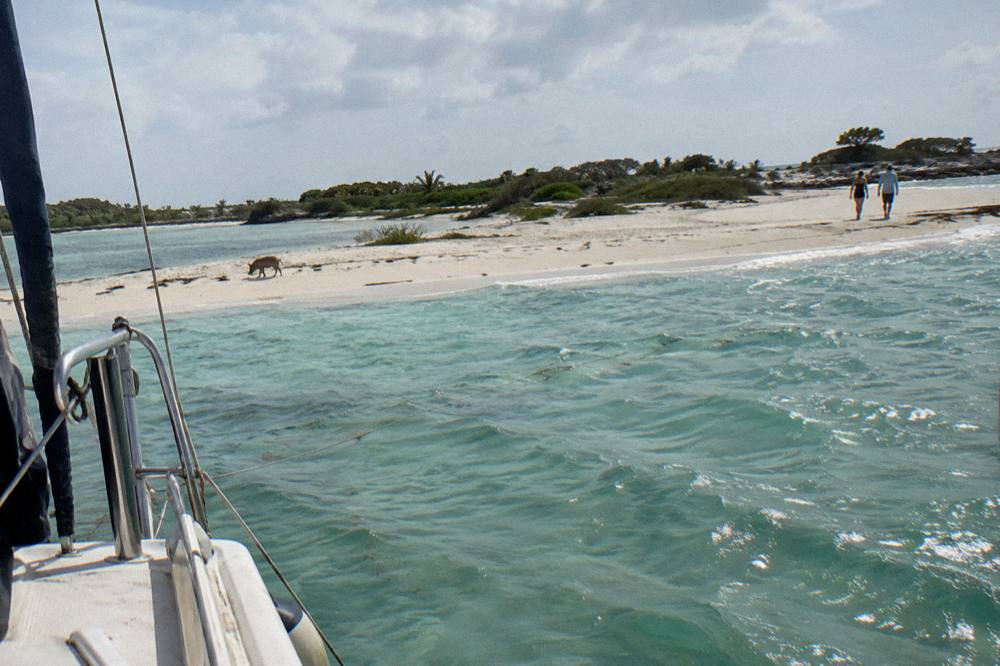
The mixed day is the pragmatic choice for a group where one person wants to fish and everyone else wants the postcard Exuma. A private boat can fish a channel on the morning tide, then run to Big Major Cay for the pigs, feed grapes to the protected rock iguanas on their cay, and finish on a sandbar. Feeding rules for the pigs are set by operators rather than written law: crews ask guests to use only captain-provided food, feed in the water rather than on sand, never chase or pick up piglets, and take all waste back to the boat. No official government regulation on pig feeding or Big Major Cay landings was found on official sources, so treat the crew's briefing as the operative rule. The rock iguanas, unlike the pigs, are named protected species on the country's official ecotourism guidance, and operators ask that they be fed only grapes offered on wooden sticks.
There is also a timing benefit to the combined format. Fly-in and Staniel Cay based trips reach the pig beaches in minutes by boat rather than the roughly two-hour speedboat crossing from Nassau, which buys a quieter mid-morning slot at the beach before the day-trip fleet arrives. Weather still rules everything in the cays: operators report rescheduling and cancellations in the August-to-October peak of hurricane season, and December-to-May generally brings calmer seas and clearer water. For anglers weighing a base on the mainland, the where to stay in Exuma guide covers the dock access that matters for early departures.

Titan Air has listed daily Nassau to Staniel Cay flights at $125 one way, which makes a Staniel-based fishing morning genuinely reachable from a Nassau hotel.
For visitors whose real interest is the pigs first and a rod second, a full-day excursion with a swimming pigs focus often serves better than a dedicated fishing charter, and the wide selection of options is worth a scan before committing to any single format.
Common Questions About Exuma Fishing Charters
How Much Is A Fishing Charter In Exuma?
Flats charters for bonefish run from about $450 for a half day to $600 to $750 for a full day for one or two guests, per current operator listings. Private boat-and-fishing charters start from $1,006.49 per person, with pricing that varies by group size, so confirm the basis on the booking page.
Can You Fish Inside The Exuma Cays Land And Sea Park?
No. The park is a strict no-take zone: no fishing, conching, shelling or lobstering, and nothing living or dead may be removed. Rules are enforced by park wardens and Royal Bahamas Defence Force officers. All fishing must take place outside the park boundary.
Is Bonefishing In Exuma Worth It For Beginners?
It can be, with the right expectations. Bonefish are wary and the casting is technical, so a half day with a patient guide is the usual recommendation for first-timers. Spin tackle is more forgiving than fly gear, and most guides supply equipment; confirm inclusion on the booking page.
Can You Combine Fishing With Swimming Pigs In One Trip?
On a private charter, yes. Captains mix reef or channel fishing with Pig Beach, iguana stops and sandbars. Dedicated flats charters do not combine, since the skiff and the guide's focus are built for stalking bonefish, not for carrying a swimming party.
Half Day Or Full Day Charter: Which Should You Book?
Keen anglers should book the full day, since it covers two tides and more water for roughly a third more money. Families and mixed groups usually do better on a half day or a mixed private charter, where non-anglers get swimming and sandbar stops instead of hours of poling.
When Is The Best Season For An Exuma Fishing Charter?
December to May generally brings calmer seas and clearer water for sight fishing. Hurricane season runs 1 June to 30 November and peaks August to October, when operators report rescheduling and cancellations in rough weather.