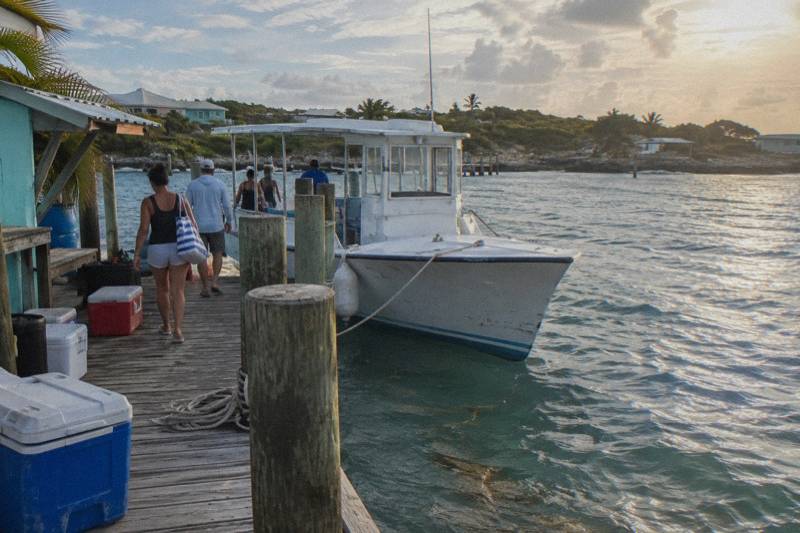
Are There Sharks In Exuma?
Yes, Exuma has sharks, mostly docile nurse sharks at Compass Cay plus reef species on the outer cays. Here is what lives there, how risky it is, and what tours cover.
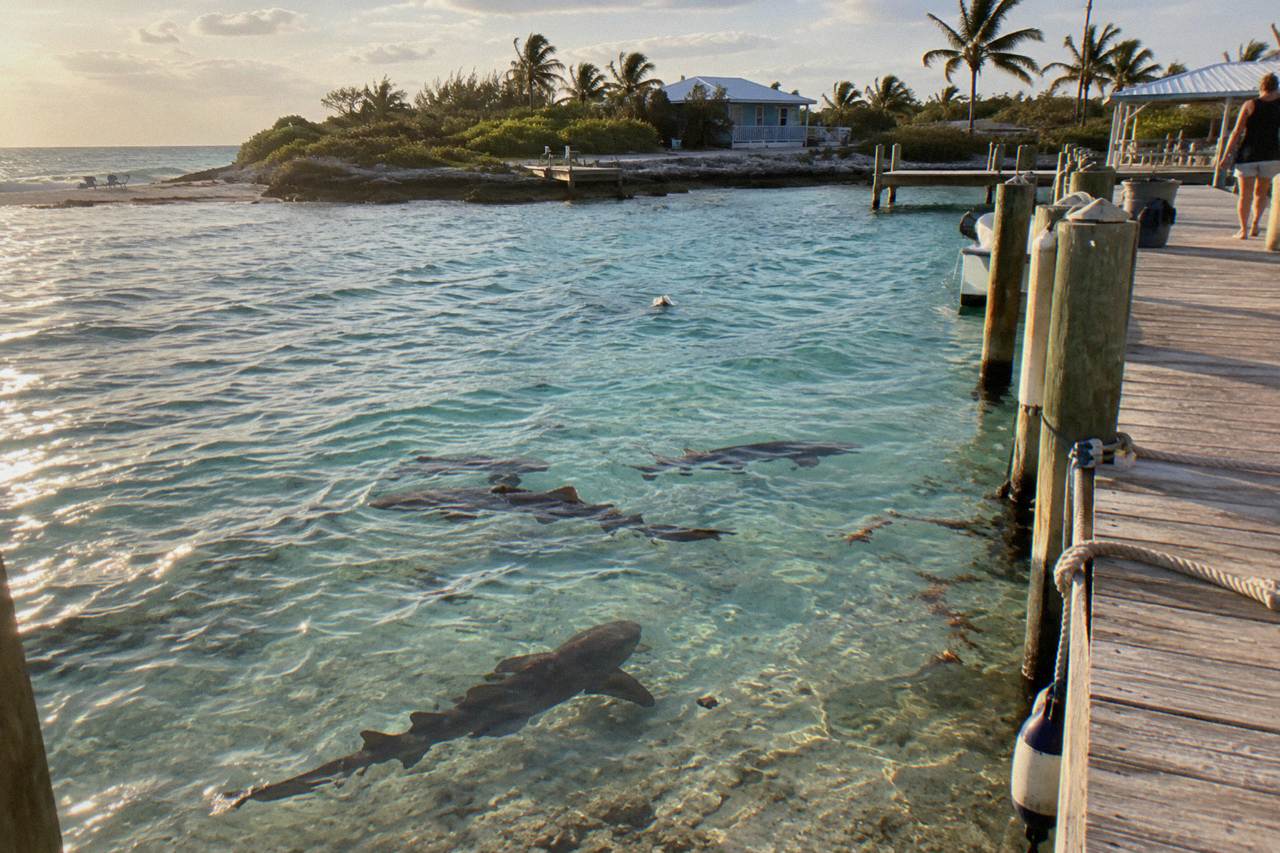
Yes, sharks live throughout Exuma's waters, and the ones most visitors meet are nurse sharks, a slow, bottom-feeding species that gathers at Compass Cay marina where crews feed them. Reef sharks, lemon sharks and occasional hammerheads also pass through the cays, but they stay offshore and are rarely seen at the beaches and sandbars tour boats visit. For almost every traveller, the closest shark encounter in Exuma is a scheduled stop, not a surprise.
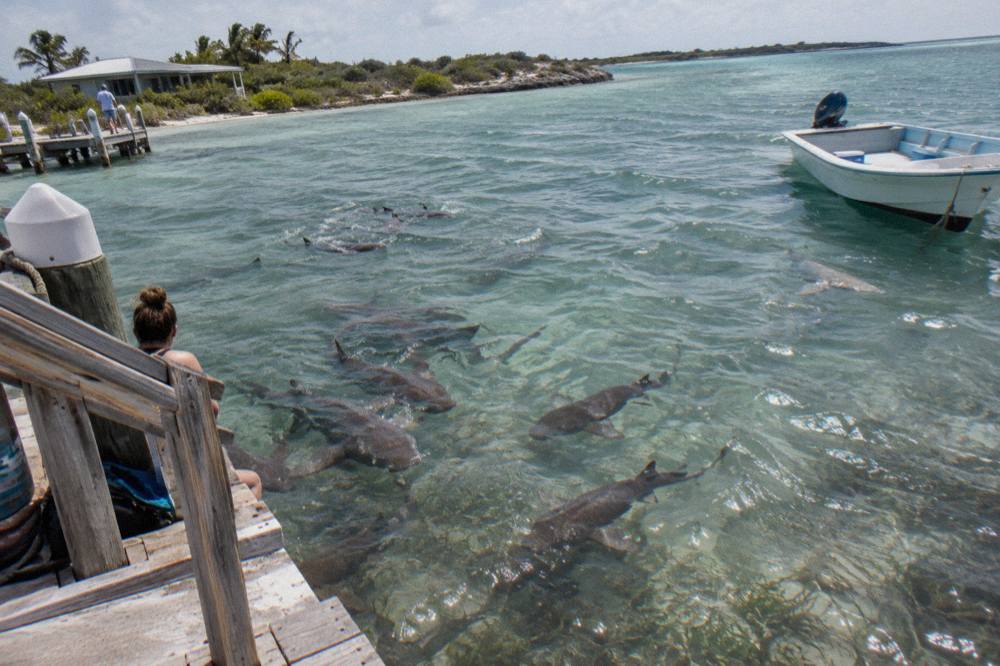
That scheduled stop matters, because it reframes the question. People asking about sharks in Exuma are usually asking one of two things: whether the water is safe to swim in, or whether the famous shark swim is worth doing. Both answers start with the same biology. Nurse sharks are common across the Bahamas, they are active at night when they hunt crustaceans and small fish in the sand, and during the day they rest in groups in shallow, warm water. Compass Cay's marina basin happens to be an ideal resting spot, and decades of crews hand-feeding them there have made it the most reliable place in the country to stand a few feet from a live shark. Before you plan that stop, our straight answer on swimming with nurse sharks at Compass Cay covers the safety rules, the ethics, and what the day actually involves.
The deeper water around the Exuma Cays hosts a wider cast. Blacktip and Caribbean reef sharks patrol the drop-offs, lemon sharks work the shallows at dawn and dusk, and great hammerheads appear in the cooler months in other parts of the Bahamas, though Exuma is not a headline destination for them. What Exuma is famous for is proximity without drama: the sharks people photograph here are resting, fed and accustomed to boats, which is a very different situation from encountering a hunting reef shark over a reef ledge.
Full-day tours from Nassau are built around exactly this. Original Exuma Powerboat Adventures runs roughly 9 hours into the northern cays, rated 4.7 across 553 reviews, from $328.90 per person, and its route strings together the pigs, the iguanas and the shark stop in one long day on the water. If your shark question is really a "will I be safe on the boat tour" question, the answer on these trips is that the shark portion is the most controlled part of the day.
Which Shark Species Will You Actually See On An Exuma Tour?
The shark you will almost certainly see is the nurse shark, at Compass Cay, where dozens gather around the marina dock in water shallow enough to stand in. Reef sharks are sometimes spotted from the boat over deeper patch reefs, and the outer cays hold blacktips and lemons, but no Exuma day tour is built around finding them. Everything bookable is a nurse-shark experience by design.
Nurse sharks are the workhorses of Exuma tourism for a simple reason: they stay put. A nurse shark can rest motionless on the seabed for hours, and the Compass Cay population has learned that the marina means food. Visitors stand in knee-deep to waist-deep water while the sharks glide past their legs, a scene that would be alarming with almost any other species and is routine here. The sharks are thick-bodied, up to around 10 feet long, with small mouths and a temperament built for slow cruising rather than chasing.
Around them, the wider Exuma ecosystem supports real predator species, just not in view of the tour boats. The Exuma Cays Land and Sea Park, established in 1958 as the first marine reserve in the Bahamas and the wider Caribbean, protects 112,640 acres of sea and land, and its no-take rules mean fish populations inside it are unusually healthy, which in turn supports the reef sharks and larger predators that follow them. The park's own rules, published by the Bahamas National Trust, prohibit fishing, conching, shelling and lobstering anywhere inside its boundaries. Sharks benefit directly from that protection.
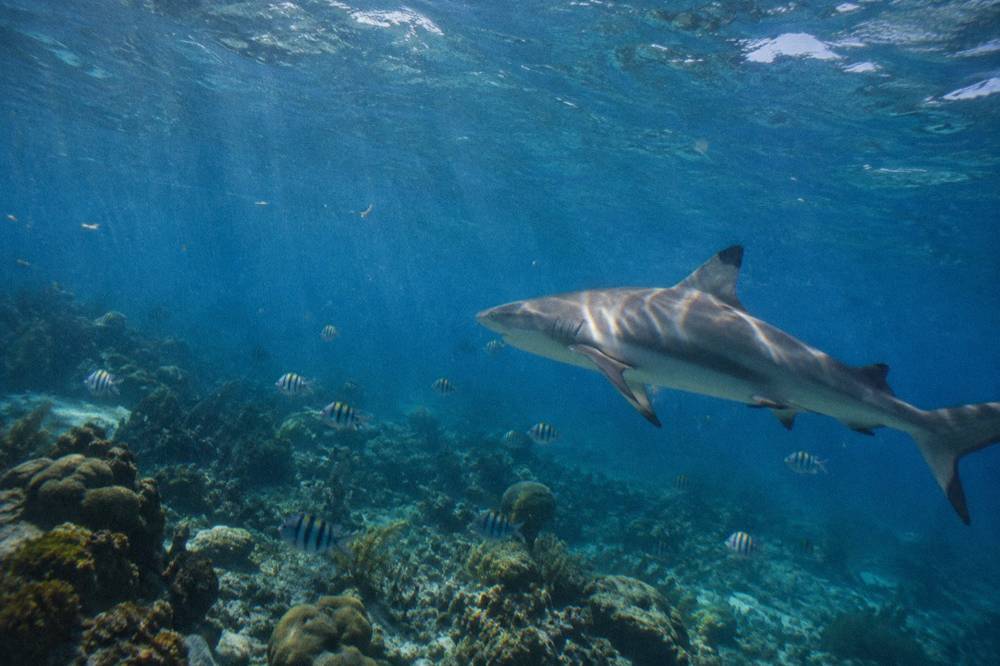
Here is the honest species breakdown for someone standing on a tour boat:
| Species | Where in Exuma | Likelihood on a tour | Behaviour around people |
|---|---|---|---|
| Nurse shark | Compass Cay marina basin | Very high, it is a scheduled stop | Rests and cruises in shallow water, fed by crews |
| Caribbean reef shark | Patch reefs and drop-offs | Occasional sighting from the boat | Keeps distance, interested in fish not people |
| Blacktip shark | Deeper channels, outer cays | Rare, usually a distant fin | Skittish, avoids boats and swimmers |
| Lemon shark | Shallow flats at dawn and dusk | Rare on daytime tours | Curious but shy, rarely approaches groups |
| Great hammerhead | Not an Exuma stronghold | Effectively none | The Bahamas' hammerhead season centres elsewhere |
One point worth knowing that first-page search results rarely explain: Thunderball Grotto and Pig Beach sit outside the Exuma Cays Land and Sea Park's southern boundary, according to operators who run those waters, so the park's strict rules and its shark-rich, unfished waters are next door to, not underneath, the famous tour stops. The grotto itself has no admission fee and no permit requirement for snorkelling, though sea conditions inside depend heavily on the tide.
Is Swimming With Nurse Sharks At Compass Cay Safe?
For most visitors, yes, in the sense that many visitors do it as part of a guided tour and the operators run it as a standing, waist-deep stop with crew supervision and a safety briefing. Nurse sharks are not aggressive, but they are still wild animals with powerful jaws, and the known incidents come from people grabbing tails, stepping on sharks or ignoring the briefing. Follow the crew's rules and the risk is low.
Compass Cay is a private cay with a small marina, and the nurse shark interaction happens right at the dock. The marina charges a published $15 per person day-use fee for access to the shark area, and most full-day tours include landing fees like this in the ticket price, so check the booking page for what your specific trip covers. On arrival, crews give a safety briefing that covers the core rules: no stepping on the sharks, no grabbing or chasing them, and no sudden movements that stress the animals. These are operator rules rather than government regulation, and no official Bahamas rule text on shark interactions was found on the tourism or immigration sites, so treat the briefing as the law of the dock.
The injury record is what you would expect from a large, docile animal with a strong bite. Nurse sharks will defend themselves if handled, and their small mouths can still do real damage to a hand or foot. The consistent advice from every operator is the same: let the sharks approach you, keep your hands to yourself, shuffle rather than step, and leave the GoPro sticks out of their faces. The sharks, for their part, are after the food the crew provides, and a standing human is scenery to them.
Context matters for anyone nervous about the wider water. The sharks at Compass Cay are fed, rested and habituated, which makes them predictable. A reef shark over an unfished reef is a different animal in a different mood, and that is why the tour stops are where they are. If your worry is the open water between stops, the practical answer is that snorkellers in Exuma are extremely rarely bothered by any shark, and the species that could matter, the reef and blacktip sharks offshore, show no sustained interest in swimmers. For a deeper look at the interaction itself, the Compass Cay nurse shark tour guide covers the stop, the fee and the logistics in detail.
Do Sharks Visit The Same Beaches And Sandbars As Swimmers?
Not in any meaningful numbers. The swimming-pig beach at Big Major Cay, the sandbars and the snorkelling sites tours use are shallow, busy and noisy, which is the opposite of where reef sharks and lemons want to hunt. The shark experience in Exuma is effectively confined to Compass Cay, while every other stop on the itinerary is shark-free in practice.
Shallow, churned-up water with dozens of boats and people in it holds no attraction for the species that could cause harm. Nurse sharks tolerate it at Compass Cay because they are fed there; elsewhere in the cays they rest quietly under ledges and in mangroves. Blacktips and lemons hunt the flats at first and last light, long before and after tour hours. So the daily reality of an Exuma itinerary, pigs in the morning, a sandbar at midday, the grotto on the right tide, sharks at Compass Cay, puts each species encounter in its own box. Other pages covering the same trip are gathered on Exuma Tours.
The pig beach itself is a 10 to 15 minute boat ride from Staniel Cay, reachable only by water, and the stop typically lasts 20 to 60 minutes depending on the operator and the crowds. Nothing about that setting draws sharks. The same crews who run the pig stops run the shark stops, and the two are treated as completely separate moments in the day, with the feeding rules at Pig Beach, operator-provided food only, never fed on the sand, no chasing piglets, about pig welfare rather than shark risk.
For travellers weighing the whole question of swimming alongside sharks in the Bahamas rather than just in Exuma, the honest framing is that the country is a shark-rich nation by design. The Bahamas banned commercial longline fishing decades ago and later established its entire waters as a shark sanctuary, which is why populations here are healthier than in most of the Atlantic. The official ecotourism page names protected species including the Bahamian rock iguana, and the broader protection extends to marine life. Healthy shark numbers are the sign of a healthy reef system, not a hazard warning.
Which Exuma Trips Put You Next To Sharks?
Most full-day Exuma Cays speedboat trips from Nassau pair the pigs and iguanas with a nurse shark stop, either at Compass Cay or at a private island such as Ship Channel Cay. Standard boat day tours run roughly $329 to $499 per person, with fly-in trips priced higher, luxury versions climb from $850, and fly-in options trade the long boat ride for a short flight plus a smaller vessel.
The choice between them is mostly about how you get there and how long you spend on the water. Speedboat trips from Nassau involve roughly two to three hours each way across open water for a full 8 to 9 hour day. Fly-in options cut that to a short flight plus a boat transfer, which buys calmer legs and often quieter timing at the key stops, and operators report the fly-in format allows more flexible morning or off-peak slots at the pig beach compared with the fixed schedule of a Nassau speedboat day.
| Tour | Length | Price | Rating | Shark content |
|---|---|---|---|---|
| Original Exuma Powerboat Adventures | ~9 hours | from $328.90 per person | rated 4.7 across 553 reviews | Shark encounter at the private Ship Channel Cay. |
| Exuma Powerboat Day Trip to a Private Island | ~8 hours | from $328.90 per person | rated 4.7 across 171 reviews | Sharks, pigs, iguanas and stingrays on one itinerary |
| Nassau: Exuma Cays Swimming Pigs and Iguanas Tour | ~8 hours | from $378 per person | 12 reviews | Iguana and pig stops with wildlife crew handling |
| Exuma Elite Escape: 7-Stop Luxury Swimming Pigs Tour | ~6 hours | from $850 per person | rated 4.8 across 580 reviews | Compact luxury format, multiple wildlife stops |
| Exuma Swimming Pigs and Sharks Tour by Plane | ~7 to 9 hours | from $4,000 per group | 7 reviews | Fly-in trip built around pigs and sharks together |
Note the pricing basis on the last line: the fly-in trip is quoted per group, not per person, and the private charters work the same way, so read the basis on the booking page before comparing. The full-day speedboat products are per person and often bundle lunch and drinks; check each listing to see whether landing fees are included.
If you are already based on Great Exuma rather than Nassau, the same shark stops are reachable from Barraterre Dock on Great Exuma, and the Exuma boat tours compared guide breaks down the departure points so you do not book an 8 hour boat day when a shorter ride would do.
When Is Shark Activity, And Tour Weather, Best In Exuma?
The sharks at Compass Cay are resident year-round, so there is no shark season to chase; what varies is sea state. December through May brings the calmer conditions and clearer water that make every boat stop pleasant, while the Atlantic hurricane season, June 1 to November 30 with its August to October peak, brings rougher days and more rescheduled trips.
The season question is really a boat-comfort question. Late October 2026 readings put Exuma's sea temperature around 29 degrees Celsius, warm water that suits nurse sharks and snorkellers alike, and the hurricane season is nearly over by the start of November. Operators note that calmer conditions and better water clarity are typical from December to May, which also lines up with peak visitor season. A rough-sea day does not usually mean a worse shark stop, it means the whole run between cays is wetter and longer than anyone wants.
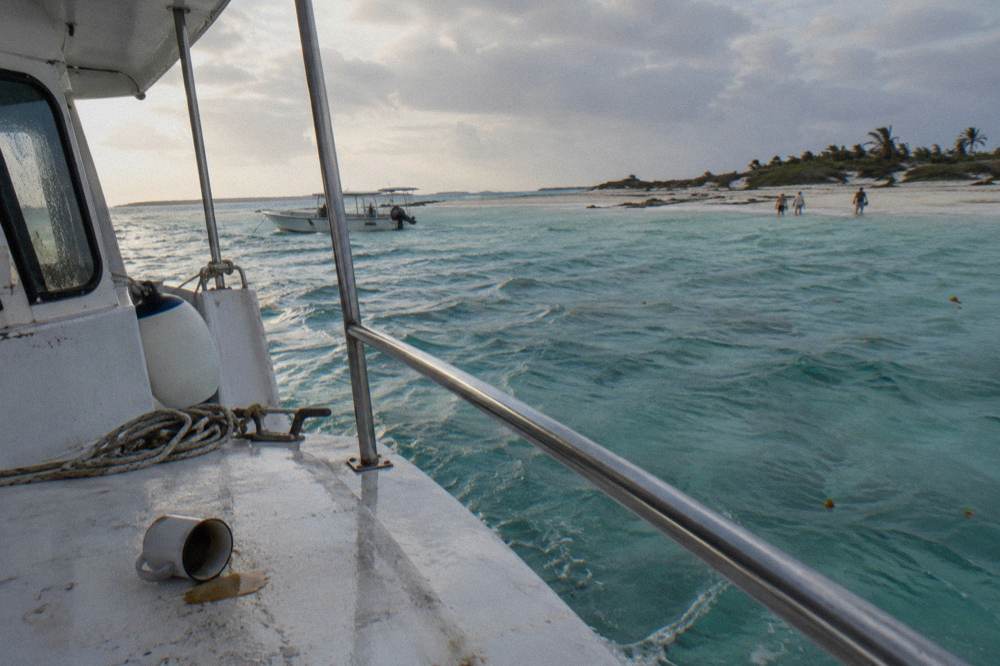
Tides matter more than months for one specific site. Thunderball Grotto, the cave snorkel that sits near the shark stop on many itineraries, is safest and easiest to enter within about one to two hours of low tide, when its entrances are most exposed and the interior current is weakest. At high tide the entry becomes difficult and may require diving under the rock. Crews time the day around this, which is one quiet argument for letting the operator set the schedule rather than arriving independently.
Packing follows from the water, not the wildlife. Reef-safe sunscreen, a hat, a dry bag or waterproof pouch for your phone and water shoes appear on essentially every operator's recommended list, and water shoes earn their place specifically at the shark stop, where you are standing and shuffling on a seabed shared with resting animals. The what to bring on an Exuma boat tour guide has the full checklist.
Does A Shark-Rich Bahamas Mean A Riskier Swim In Exuma?
No, higher shark numbers do not translate into higher incident numbers, because the species that matter are offshore and uninterested, and the species you meet is sedated by routine and daylight. Exuma's shark story is a managed interaction at one dock and healthy, unseen populations everywhere else, which is why the swimmer worried about sharks usually ends up booking the shark stop on purpose.
It is worth separating the two fears people arrive with. The first is the open-water fear, the image of a fin crossing an empty bay. The reality of Exuma's geography works against that: the water most visitors swim in is shallow, near shore and full of boat traffic, and the species that patrol deep water, reef sharks, blacktips, the occasional passing hammerhead, do not treat swimmers as prey and almost never approach them. The Bahamas as a whole is a shark sanctuary with healthy populations, and the safety record across decades of mass tourism reflects that the risk at tour sites is minimal when rules are followed.
The second fear is the specific one about the nurse shark swim, and it deserves a specific answer rather than reassurance. Nurse sharks are docile by shark standards, but they are heavy, strong-jawed wild animals, and the injuries that do occur come from handling, stepping on a resting shark, grabbing a tail, pushing a camera into a face. The operators' briefing exists because those behaviours are the entire risk profile. Follow it and the encounter is one of the most controlled wildlife experiences in the Caribbean; disregard it and you are relying on the animal's patience.
The practical conclusion for trip planning: book the tour whose format suits your stamina and budget, expect the shark stop to be calm, standing-depth and crew-supervised, and give the tide and the season their due when you pick your dates. Whether that is the long classic powerboat day or a compact luxury run, the sharks will be there, resting in the same shallow basin they always do.
Common Questions About Sharks In Exuma
Are There Sharks In Exuma?
Yes. Nurse sharks gather at Compass Cay where tours stop to let guests stand among them, and reef sharks, blacktips and lemons live in the deeper waters around the cays. The species visitors meet is the nurse shark, at a scheduled, supervised stop, not an encounter in open water.
Is Swimming With The Nurse Sharks At Compass Cay Safe?
It is considered low risk under supervision. Nurse sharks are docile and habituated, crews give a safety briefing, and the water is shallow enough to stand in. Injuries that occur generally involve people stepping on, grabbing or chasing the sharks, so following the crew's rules removes most of the risk.
How Much Does It Cost To See The Sharks At Compass Cay?
The marina charges a published $15 per person day-use fee for the shark area, and most full-day tours include landing fees like it in the ticket price. Full-day Exuma tours that include the shark stop run from roughly $328.90 per person upward, depending on format and inclusions.
Will I See Dangerous Sharks While Snorkelling In Exuma?
Almost certainly not. Reef sharks and blacktips patrol deeper water offshore and show little interest in snorkellers, while the shallow, busy sites tours use, sandbars, Pig Beach and Thunderball Grotto, are not hunting grounds. The grotto's main safety factor is the tide, not sharks; enter near low tide when the current is weakest.
When Is The Best Time Of Year For Shark Encounters In Exuma?
The Compass Cay nurse sharks are resident year-round, so there is no shark season. December through May typically brings calmer seas and clearer water for the whole boat day, while the June 1 to November 30 hurricane season, peaking August to October, can mean rougher crossings and occasional rescheduled trips.
Do Any Exuma Tours Combine Sharks With The Swimming Pigs?
Yes, most full-day Exuma Cays itineraries from Nassau include both the Compass Cay shark stop and Pig Beach, along with iguana feeding and a sandbar. Formats range from around 9 hour speedboat days from $328.90 per person to luxury 7-stop tours from $850 per person and fly-in trips quoted from $4,000 per group.